Simple Wednesday: A Handwritten Font That Feels Like a Conversation
There's a certain magic in a font that doesn't try too hard. You know the one—it feels like it was scribbled on a coffee shop napkin or dashed off in the margins of a notebook. It carries personality without pretension, warmth without clutter. Simple Wednesday is exactly that kind of typeface: a handwritten script born from a random, free-flowing style that brings an effortless human touch to any creative project. Whether you're designing a logo for a new bakery, crafting social media posts for a lifestyle brand, or laying out a magazine spread, this font has a way of making your work feel approachable and real.
The Visual Appeal of Organic, Freeform Lettering
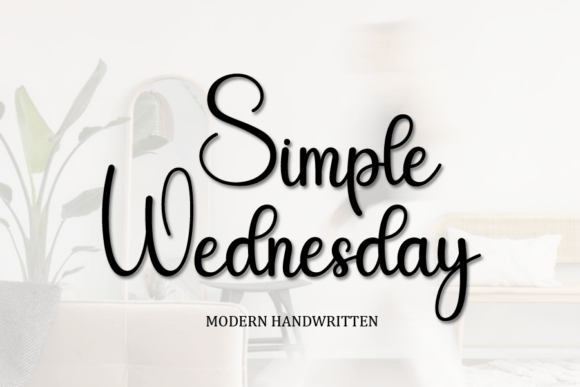
What sets Simple Wednesday apart from thousands of other script fonts is its deliberate imperfection. The letterforms vary slightly in baseline, weight, and angle, mimicking the natural inconsistencies of actual handwriting. This isn't a font that was engineered to look human—it was designed to be human. Each character carries subtle quirks: the way a lowercase "t" might lean just a bit, or how the tail of a "y" swoops with a casual flourish. These details matter because they create an emotional resonance that rigid, geometric typefaces simply can't replicate.
From a design perspective, this kind of organic quality serves a very specific purpose. It breaks the visual monotony of polished, corporate aesthetics. It says to your audience, "A real person made this." For small business owners, independent creators, and anyone building a brand from the ground up, that message can be incredibly powerful. It builds trust before a single word is read.
Where This Handwritten Font Truly Shines
Let's talk about real-world applications, because a font is only as valuable as the projects it elevates. Simple Wednesday works beautifully across a surprisingly wide range of contexts, which is part of what makes it such a versatile design asset.
Brand Identity and Logo Design: If you're building a brand that values authenticity—think artisan goods, boutique studios, wellness brands, or independent coffee shops—a handwritten script font like this one can become the cornerstone of your visual identity. It works as a primary logotype or as a secondary accent font paired with a clean sans serif. The key is matching the font's personality to your brand's voice. Simple Wednesday says casual, creative, and genuine.
Packaging and Product Labels: Consumers make split-second decisions at the shelf, and typography plays a huge role in that first impression. A script font on packaging suggests craftsmanship and care. Imagine a candle label, a jam jar, or a hand-poured soap wrapper set in Simple Wednesday—it immediately communicates that something special and handmade is inside.
Social Media Graphics and Digital Content: Instagram posts, Pinterest pins, YouTube thumbnails, and Facebook headers all benefit from typefaces that stop the scroll. Handwritten fonts like this one add personality to quote graphics, sale announcements, and story overlays. They pair especially well with photography and flat-lay images, creating a cohesive aesthetic that feels curated rather than corporate.
Editorial and Print Design: Magazines, book covers, event posters, and invitations often need a font that conveys mood without overwhelming the layout. Simple Wednesday works as a headline font for editorial spreads, chapter openers, or event invitations where a personal, intimate tone is desired. It's the kind of typeface that makes a wedding invitation feel heartfelt or a music festival poster feel vibrant and spontaneous.
Merchandise and Apparel: Tote bags, t-shirts, mugs, and stickers—merchandise design thrives on bold, expressive typography. A handwritten font adds instant character to wearable and sellable products. If you run an Etsy shop or a small apparel line, a typeface like Simple Wednesday can help your merchandise stand out with a distinct, recognizable look.
Practical Tips for Working with Handwritten Scripts
Using a script font effectively requires more than just dropping it into a design and calling it done. Here are some practical considerations that will help you get the most out of Simple Wednesday or any similar handwritten typeface.
Pairing with Other Fonts: Script fonts rarely work well as body text. They're display fonts—designed for headlines, logos, and short bursts of text. Pair Simple Wednesday with a clean, legible sans serif or a classic serif font for longer paragraphs. The contrast between the organic script and a structured secondary font creates visual hierarchy and keeps your design readable. For example, a brand might use Simple Wednesday for its logo and tagline, then use a font like Montserrat or Lora for website copy and product descriptions.
Size and Readability: Handwritten fonts lose legibility at small sizes. The natural variation in stroke width and letter spacing that makes them charming at 36 pixels makes them muddy at 12 pixels. Use Simple Wednesday at larger sizes where its character can breathe—think headlines, pull quotes, and call-to-action text. For body copy, always default to something more structured.
Color and Contrast: Because script fonts have thinner, more varied strokes than blocky sans serifs, they need strong contrast against their background. Avoid placing handwritten text over busy photographs without a semi-transparent overlay or solid color backing. Dark text on light backgrounds—or the reverse with sufficient weight—will ensure your message is actually readable.
Spacing and Layout: Give handwritten text room to breathe. Generous line spacing (leading) and letter spacing (tracking) can dramatically improve the appearance and legibility of script fonts. Tight layouts with cramped script text look cluttered and amateur. Let the font's natural rhythm flow by respecting its need for space.
Building a Consistent Visual Language
One of the most underrated aspects of choosing the right typeface is how it contributes to visual consistency across all your touchpoints. When a customer sees your Instagram post, visits your website, picks up your product packaging, and opens your email newsletter, the typography should feel unified. Using Simple Wednesday consistently as your accent or display font across platforms creates a subtle but powerful thread that ties your brand together.
This consistency builds brand recognition over time. People start to associate that particular handwritten style with your business, your products, and your values. It becomes part of your visual signature—just as recognizable as your color palette or your logo mark.
Licensing and File Considerations
Before incorporating any premium font into a commercial project, always review the licensing terms. Most quality font files include a license that covers specific use cases—desktop, web, app, or merchandise. Simple Wednesday, like other professional typefaces, typically comes with licensing options that allow you to use it across your brand materials legally and ethically. If you're designing for a client, make sure the license covers their intended use, or that they purchase their own license. It's a small but important detail that protects both you and your work.
Also check what file formats are included. OpenType (OTF) and TrueType (TTF) files cover most desktop design applications, while WOFF and WOFF2 formats are necessary for web use. Having multiple formats ensures you can deploy the font wherever your projects take you—from Adobe Illustrator to WordPress to Canva.
Final Thoughts on Choosing Fonts That Connect
Typography is one of the most powerful tools in a designer's or business owner's toolkit, yet it's often overlooked or treated as an afterthought. The fonts you choose communicate volumes about who you are, what you value, and who you're trying to reach. Simple Wednesday offers something that many fonts promise but few deliver: genuine warmth and personality. It doesn't shout. It doesn't posture. It simply speaks in a voice that feels honest and human.
Whether you're a seasoned designer looking for a fresh script font for your next branding project, or a small business owner trying to create packaging that tells your story, having a typeface like this in your library gives you a versatile creative tool that works across dozens of applications. The best design choices are often the simplest ones—and a font called Simple Wednesday is a fitting reminder of that truth.