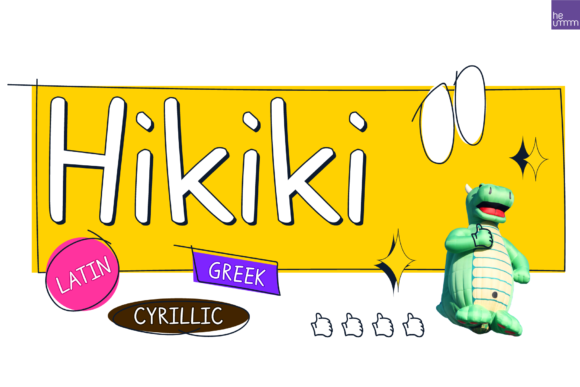
Hikiki: A Handwritten Font That Feels Like Your Brand's Handshake
You know that feeling when you find something that just clicks? It's not loud or trying too hard—it just feels right. That's the experience many designers and creators have when they first encounter Hikiki. This clean, casual handwritten font has a way of injecting personality into projects without overwhelming them. It strikes a rare balance: friendly enough to feel approachable, yet structured enough to maintain professionalism. If you've been searching for a typeface that bridges the gap between personal touch and polished presentation, Hikiki might be the creative asset you didn't know you needed.
Why a Handwritten Font Like Hikiki Works for Modern Projects
Handwritten fonts have always carried a sense of authenticity. In a digital landscape filled with sleek sans-serifs and rigid serifs, a script font like Hikiki offers a human element. But what sets it apart is its clarity. Unlike some overly ornate script fonts that sacrifice legibility for style, Hikiki maintains a clean flow. Each letter feels intentional, with a natural rhythm that guides the eye smoothly across words. This makes it incredibly versatile—it works just as well for a logo as it does for body text on a website, provided you use it thoughtfully.
From a branding perspective, Hikiki can become a core element of your visual identity. Imagine a boutique coffee shop using it for their menu headers and signage. Or a lifestyle blogger incorporating it into their Instagram stories and website banners. The font doesn't scream for attention; it invites engagement. For entrepreneurs building a brand from scratch, this kind of subtle yet distinctive typography can help establish recognition. People start to associate that friendly, handwritten style with your business, creating a cohesive experience across every touchpoint.
Practical Applications Across Industries
Let's talk about where Hikiki truly shines. Its adaptability makes it suitable for a surprising range of creative and commercial projects. Here’s a look at how different professionals might use it:
- Logo Design and Brand Identity: Hikiki works beautifully for logotypes, especially for brands targeting a younger, more casual audience. Think artisanal food products, eco-friendly cosmetics, or indie music labels. Its handwritten quality conveys craftsmanship and care.
- Packaging and Labels: On product packaging, a font like Hikiki can make items feel handmade and special. It’s perfect for labeling jars of homemade jam, candle packaging, or boutique clothing tags.
- Social Media and Digital Content: For YouTube thumbnails, Instagram posts, or Pinterest graphics, Hikiki adds a personal touch that can increase engagement. It feels more authentic than standard system fonts, helping your content stand out in a crowded feed.
- Editorial and Print Design: Use it for magazine headlines, book chapter titles, or poster designs where you want to evoke emotion. It’s particularly effective in projects related to music, movies, or gaming where a creative, artistic vibe is desired.
- Web Design and Blogs: When used sparingly for headings or pull quotes, Hikiki can break the monotony of standard web fonts. It adds visual interest without compromising the readability of your main body text, which should typically be a clean sans-serif or serif font.
- Marketing Collateral: From business cards to flyers and email newsletters, incorporating Hikiki can make your materials feel more personal and less corporate, which can be a huge advantage for small businesses and solopreneurs.
Pairing Hikiki with Other Fonts for Maximum Impact
A font rarely works in isolation. The key to using Hikiki effectively is pairing it with complementary typefaces. Since Hikiki is a display font with strong personality, it benefits from being balanced with something more neutral. For example, pairing it with a simple sans-serif like Montserrat or Open Sans for body text creates a harmonious hierarchy. The handwritten font draws attention to headlines, while the sans-serif ensures longer paragraphs remain easy to read.
When testing font pairings, consider the mood you’re setting. Hikiki paired with a classic serif like Playfair Display can create an elegant yet approachable feel, suitable for wedding invitations or upscale branding. Alternatively, combining it with a geometric sans-serif can lean into a more modern, minimalist aesthetic. Always preview your combinations at different sizes and on various devices to ensure they work together seamlessly across all applications.
Key Considerations Before You Start Designing
Before diving into a project with Hikiki, keep a few practical points in mind. First, review the full font family. Many premium fonts come with multiple styles—regular, bold, italic, or even alternate characters. Check what’s included in your license. Using different weights can add depth to your designs without introducing another font.
Second, think about readability in context. While Hikiki is clear for a handwritten font, it’s still best used for shorter text elements like titles, logos, or call-to-action buttons. For extensive body copy, stick to highly legible serif or sans-serif fonts. Test your designs at actual size, especially for print materials like posters or business cards, to ensure everything remains crisp and readable from a normal viewing distance.
Finally, consider licensing. If you’re using Hikiki for a commercial project—whether it’s a client’s logo, merchandise for sale, or a paid digital product—make sure you have the appropriate commercial license. This protects both you and the font creator. Most reputable font foundries are clear about usage rights, so take a moment to understand what’s permitted before finalizing your design.
Bringing It All Together
Choosing a font is more than a technical decision; it’s a strategic one. Hikiki offers a unique blend of casual charm and clean design that can elevate a wide variety of projects. It’s not about following a trend—it’s about finding a tool that authentically communicates your brand’s voice. Whether you’re crafting a logo for a new startup, designing social media graphics for a growing channel, or laying out pages for a indie magazine, this creative font provides the flexibility to do it with style.
Experiment with it. See how it feels in your next project. Sometimes, the right typeface doesn’t just complete a design—it inspires it.