Astilbe: A Handwritten Font That Feels Like a Friendly Hug
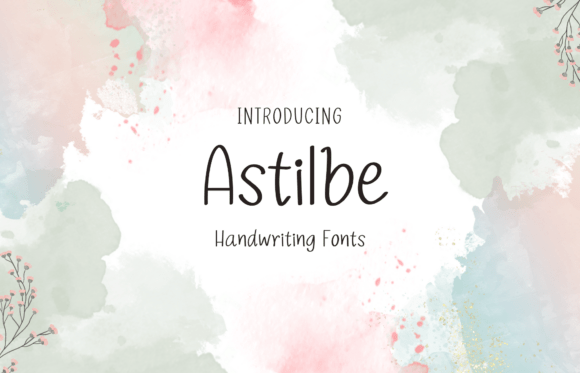
There’s something instantly inviting about a design that feels human. In a world saturated with sleek, impersonal sans serifs and formal serifs, a touch of warmth can make all the difference. That’s where Astilbe enters the conversation. It’s not just another handwritten font; it’s a carefully crafted typeface that captures a sweet, friendly, and genuinely approachable vibe. Imagine the casual charm of a note left for a friend, the playful energy of a child’s birthday banner, or the heartfelt sincerity of a hand-lettered wedding card. Astilbe brings that authentic, handcrafted feeling to digital projects, offering a refreshing dose of personality that can connect with an audience on a more emotional level.
More Than Just a Pretty Script: The Versatility of Astilbe
At its core, Astilbe is a display font, meaning it’s designed to shine in headlines, titles, and short bursts of impactful text. Its sweet, rounded letterforms and gentle flow make it a standout handwritten font that avoids the chaos of overly loose scripts. This balance is key. It’s playful enough for a kids’ party invitation but has enough structure to remain legible and professional when used thoughtfully. This makes it a surprisingly versatile design asset. You’ll find it’s a natural fit for projects that need to communicate joy, sincerity, or creativity without sacrificing clarity.
Think about the tangible projects where a personal touch is non-negotiable. For packaging design on artisanal foods, handmade cosmetics, or boutique clothing, Astilbe can instantly convey the care and quality behind the product. On a logo design for a local bakery, a children’s boutique, or a creative studio, it sets a friendly, welcoming tone for the entire brand identity. Its charm translates beautifully to merchandise like tote bags, mugs, and t-shirts, especially for designs centered around positive messages, humor, or seasonal themes. And for life’s big moments—wedding invitations, baby shower announcements, or milestone cards—this font adds a layer of heartfelt authenticity that pre-printed, generic fonts simply can’t match.
Integrating Astilbe into Your Digital and Marketing World
The digital realm is where Astilbe’s versatility truly comes alive. For social media graphics, it’s a game-changer. A quote graphic on Instagram, a sale announcement for a Facebook ad, or a pin for Pinterest gains immediate personality and scroll-stopping power. It helps create a cohesive and recognizable visual style that can boost audience engagement. In the context of web design, it’s best used strategically—think a compelling homepage headline, a section title on a blog, or a call-to-action button. It injects warmth into a layout without compromising the readability of body text, which should typically be set in a clean sans serif font or serif font.
For bloggers and content creators, Astilbe can help brand your visual content. Use it for your blog post titles, newsletter headers, or featured image text to create a consistent look that your audience starts to associate with your voice. Small business owners will find it invaluable for creating cohesive marketing assets—from email headers and promotional flyers to digital product covers and presentation slides. Its friendly demeanor makes it particularly effective for businesses targeting families, creatives, or anyone looking for a down-to-earth, relatable brand.
Pairing and Practicality: Making Astilbe Work for You
The true skill in using a display font like Astilbe lies in pairing it effectively. The golden rule is contrast. Because Astilbe is expressive and textured, it needs a calm, neutral partner to ensure readability and visual consistency. Pair it with a simple, geometric sans serif font like Lato, Open Sans, or Poppins for body copy. This combination allows Astilbe to command attention in headlines while the supporting text remains easy to read. Alternatively, for a more classic, editorial feel, you could pair it with a clean, old-style serif font like Garamond or Libre Baskerville. Avoid pairing it with other highly decorative scripts or fonts that have a lot of personality, as this will create visual clutter.
Before committing, always test the font in context. View it at the size you intend to use it. Does it hold up? Check the letter spacing (tracking) and line height (leading) to ensure it feels balanced. Review the full character set—a good premium font like Astilbe will often include stylistic alternates, ligatures, and a robust set of punctuation and symbols, giving you more creative control. Finally, and crucially for any commercial use, always verify the licensing terms. Ensure the license covers your intended use, whether it’s for a client project, printed merchandise, or digital products for sale. Understanding these details upfront protects you and your work.
A Final Thought on Choosing Your Typographic Voice
Choosing a typeface is like choosing the tone of voice for your project. Astilbe speaks in a warm, confident, and friendly whisper. It’s not the font for a corporate law firm’s annual report, but it’s perfect for a children’s book cover, a cozy café menu, a motivational poster, or the branding of a creative workshop. Its strength lies in its ability to make digital communication feel personal and tangible. When you need to bridge the gap between the screen and the human heart, a thoughtfully crafted creative font like Astilbe is an essential tool in your design toolkit. It reminds us that even in a pixel-perfect world, a little bit of handmade charm goes a long way.