Fraksen: The Handwritten Font That Brings Authenticity to Your Brand
There's a moment in every design project where the typography either clicks into place or feels completely off. You've spent hours perfecting a logo layout, crafting social media templates, or designing packaging, and then you hit the font selection wall. The typeface needs to feel human, approachable, and genuinely warm without looking messy or amateurish. That's precisely where Fraksen enters the conversation—a clean, natural handwritten font that bridges the gap between casual authenticity and polished professionalism.
What Makes Fraksen Stand Out in a Crowded Font Market
Handwritten fonts are everywhere these days. Scroll through Instagram, browse Etsy shops, or glance at coffee shop menus, and you'll see dozens of script and handwritten typefaces competing for attention. The problem? Most of them fall into one of two camps: overly stylized to the point of illegibility, or so generic they blend into the background.
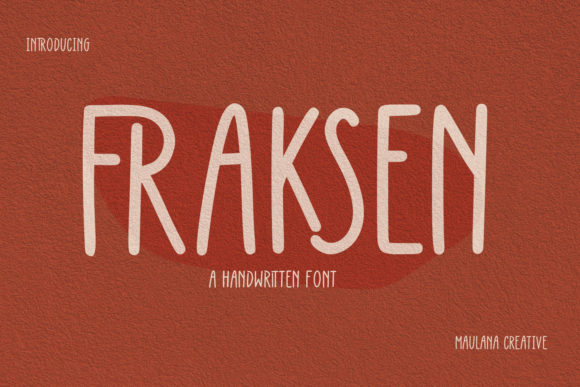
Fraksen takes a different approach. The letterforms maintain the organic flow of natural handwriting while keeping each character distinct and readable. The strokes have a subtle variation that mimics the pressure changes of a real pen or marker, giving text that lived-in quality people respond to emotionally. It doesn't try too hard to be quirky or trendy. Instead, it offers a timeless handwritten aesthetic that works across industries and audiences.
What's particularly useful is how Fraksen manages to feel personal without sacrificing clarity. Whether you're setting a headline at 48 points on a poster or using it for a call-to-action on a website, the letter spacing and weight distribution keep everything legible. That balance is harder to achieve than most people realize, and it's what separates a premium font from the countless free options floating around online.
Where Fraksen Truly Shines: Real Applications for Real Projects
Think about the brands you gravitate toward. Chances are, many of them use typography that feels approachable and human. That's not accidental—it's a deliberate choice rooted in how people process visual information. Fraksen fits naturally into projects where you want to establish warmth, creativity, and trust.
Logo design and brand identity are perhaps the most impactful uses. A handwritten font like Fraksen can transform a business name into something that feels like a signature—personal and intentional. For bakeries, boutique clothing lines, artisan product brands, lifestyle blogs, or creative agencies, this typeface communicates personality before a single word of copy is read. Pair it with a clean sans serif for body text, and you've got a visual system that feels both distinctive and professional.
Packaging design is another area where Fraksen excels. Imagine a candle label, a skincare product box, or a specialty food package. Handwritten typography on physical products signals craftsmanship and care. It tells the customer that a real person made thoughtful decisions about every detail. Fraksen's clean construction means it reproduces well at different sizes, whether you're printing on a small hang tag or a large gift box.
For social media graphics, the font brings personality to quote cards, announcement posts, story templates, and promotional banners. Content creators and small business owners often struggle to maintain a cohesive visual feed. Using a consistent typeface like Fraksen across your Instagram posts, Pinterest pins, and Facebook graphics helps build recognition. Followers start associating that specific visual style with your brand, which strengthens recall over time.
Website headers and blog titles benefit enormously from a touch of handwritten character. When every competitor is using the same geometric sans serif, a clean script font makes your site feel different without looking unprofessional. It works especially well for lifestyle blogs, portfolio sites, wedding vendors, and creative businesses where personality is part of the value proposition.
Pairing Fraksen with Other Typefaces
One of the most practical skills in design is knowing how to combine fonts. A handwritten typeface like Fraksen works best when it's not carrying the entire typographic load. Think of it as the accent piece—the statement jewelry that completes an outfit rather than the whole wardrobe.
For body copy, pair Fraksen with a straightforward serif or sans serif font. Something like a modern sans serif with clean geometry provides excellent contrast while maintaining readability. If your project leans more editorial or traditional, a classic serif font complements the organic feel of the handwriting without creating visual chaos.
The key principle is contrast. If Fraksen is your headline font, your supporting typeface should feel distinctly different in structure. Avoid pairing it with other script or handwritten fonts—that creates competition rather than hierarchy. Instead, let Fraksen handle the expressive, attention-grabbing moments while a simpler font does the heavy lifting for paragraphs, captions, and smaller text elements.
Test your pairings at actual sizes before committing. A combination that looks beautiful in a mockup at 72 points might create problems when rendered at 14 points on a mobile screen. Print a sample if your project involves physical materials. Digital-only designers sometimes forget that ink on paper behaves differently than pixels on a screen.
Licensing and Practical Considerations
Before downloading any font for a commercial project, understanding the licensing terms matters more than most people realize. Fraksen, as a premium typeface, comes with specific usage rights that protect both the designer who created it and the businesses using it.
Review whether the license covers your intended use. Most commercial fonts distinguish between desktop use, web use, and app embedding. If you're designing merchandise—t-shirts, mugs, tote bags—confirm that the license permits the creation of physical products for sale. This is a detail that trips up many small business owners who assume all fonts are free for any purpose once purchased.
Also check how many users or devices the license covers. A solo freelancer has different needs than a marketing team of twelve. Some font licenses are per-user, while others are per-project. Getting this right upfront prevents headaches later, especially if your brand grows and your team expands.
Keep your font files organized and maintain proof of purchase. If you ever face an audit or need to verify licensing for a client, having documentation readily available saves significant stress. It's a small administrative habit that pays dividends in professional credibility.
Making the Most of a Handwritten Font in Your Workflow
Choosing a font like Fraksen is only the first step. How you implement it determines whether it elevates your project or creates visual noise.
Start by defining where the font will appear in your design system. Maybe it's reserved exclusively for primary headlines. Perhaps it shows up in pull quotes and callout boxes. Some brands use handwritten fonts only in specific contexts, like customer testimonials or seasonal campaigns. Having clear rules prevents overuse, which is the fastest way to dilute the impact of any expressive typeface.
Pay attention to color and background contrast. Handwritten fonts with thin strokes can disappear against busy backgrounds or low-contrast color combinations. Test your designs in grayscale to check whether the hierarchy holds up without color doing the heavy lifting. This simple exercise reveals whether your typography choices are structurally sound or relying too heavily on color to create separation.
Consider your audience's expectations. A children's educational brand uses handwritten typography differently than a luxury wellness company. The same font can communicate playfulness or sophistication depending on context—surrounding colors, imagery, spacing, and copy tone all influence perception. Fraksen's versatility makes it adaptable across these scenarios, but intentional application is still essential.
Finally, don't underestimate the power of consistency. Once you've established how Fraksen fits into your visual identity, document it. Create a simple style guide that specifies sizes, colors, and contexts for the font. Share it with anyone who creates content for your brand. Visual consistency isn't about rigidity—it's about building a recognizable presence that audiences trust and remember, whether they encounter your brand on a website, a product label, or a social media post.