Cambria: A Handwritten Script That Feels Like a Conversation
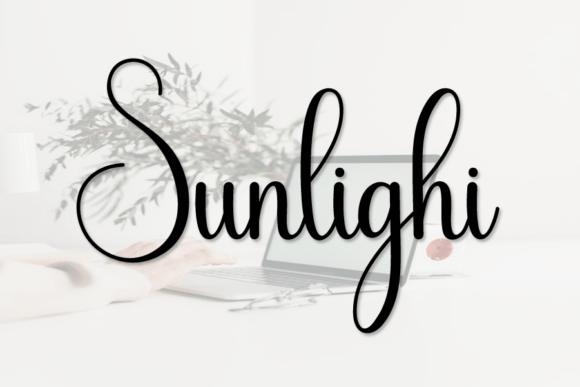
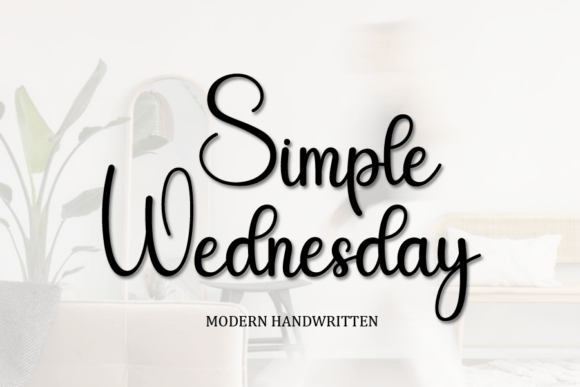
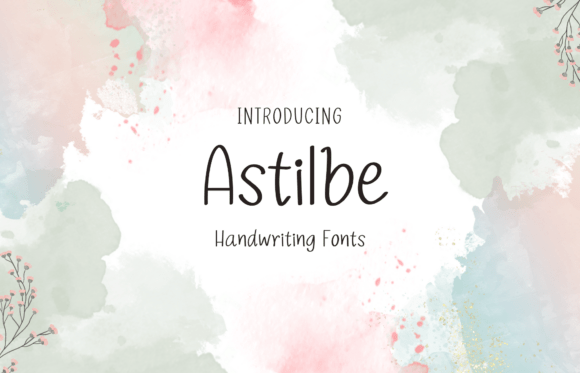
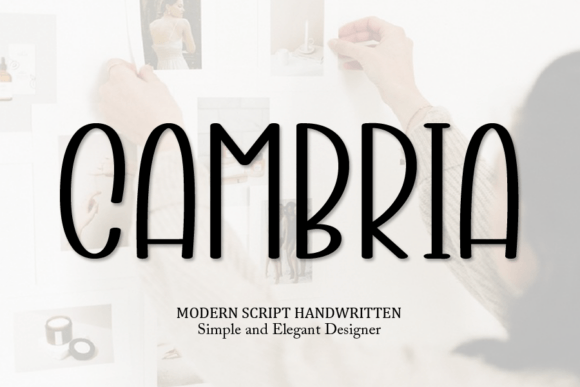
There’s something undeniably human about a handwritten note. It carries a warmth, a personality, and an immediacy that perfectly set, digital typefaces sometimes lack. This is the space where Cambria lives. It’s not trying to be a flawless, calligraphic masterpiece. Instead, it embraces a classic, simple, and slightly random free style that feels authentic and approachable. For designers and creators, this isn’t just another script font—it’s a tool for injecting genuine personality into a project, whether you’re building a brand from scratch or adding a personal touch to a social media campaign.
Beyond the Logotype: Where This Script Truly Shines
When we talk about a font like Cambria, the first thought often jumps to logo design. And yes, its flowing, casual strokes make it a compelling choice for a logotype, especially for brands aiming for a friendly, artisan, or boutique feel. Think of a local coffee roaster, a handmade jewelry shop, or a wellness blog. The font’s natural rhythm helps a brand name feel less like a corporate entity and more like a signature.
But limiting such a versatile creative font to just a logo is a missed opportunity. Its real strength lies in creating a cohesive visual language across multiple touchpoints. Imagine using Cambria for the headline on your website’s hero section, then carrying that same typeface into your Instagram story graphics and the "Thank You" note on your product packaging. This repetition builds immediate brand recognition. Your audience starts to associate that specific, friendly script with your unique voice, making your brand more memorable in a crowded marketplace.
For content creators and bloggers, this handwritten font is a secret weapon for engagement. A blog post title set in Cambria feels more personal and inviting than a standard sans serif. It can break the visual monotony of a long article, guiding the reader’s eye to key sections or pull quotes. Similarly, using it for chapter headings in a self-published book or the title card on a YouTube video adds a layer of creative professionalism that elevates the entire production value.
The Practical Art of Pairing and Readability
A font’s personality is only half the story. The other half is how it functions within a design system. Cambria’s handwritten style is inherently expressive, which means it demands thoughtful pairing. Placing it next to a stark, geometric sans serif font can create a beautiful contrast—the warmth of the script balanced by the clean lines of modern typography. This pairing works exceptionally well for websites and editorial layouts, where you need the readability of a simple body font but want the headlines to pop with character.
However, readability is paramount. A script font, no matter how beautiful, is not ideal for long blocks of body text. Its charm can quickly become a strain on the eyes. The practical advice here is clear: use Cambria strategically. Deploy it for headlines, short calls-to-action, logos, or decorative elements. For paragraphs, product descriptions, or detailed instructions, switch to a highly legible serif or sans serif typeface. This ensures your design is not only visually appealing but also functional and accessible to everyone.
Before committing, always test your font pairings in context. Mock up a business card, a website header, and an Instagram post. Does the combination hold up at different sizes? Does the script font remain clear when scaled down for a mobile screen? This hands-on testing is a non-negotiable step in professional design. It helps you avoid costly redesigns later and ensures your brand identity feels solid and intentional from day one.
From Digital Products to Physical Merchandise
The applications for a premium font like Cambria extend far beyond digital screens. Its handwritten authenticity translates beautifully to physical products and print materials. For entrepreneurs in the apparel industry, it’s perfect for designing custom t-shirt graphics, tote bag slogans, or hang tags that feel personal and crafted. On packaging design, a few well-placed words in this script can transform a simple box into something that feels like a gift, enhancing the unboxing experience for your customer.
Event planners and creatives will find it invaluable for invitations, menus, and signage. A wedding invitation suite using Cambria for the couple’s names sets a romantic and personal tone. For a music festival poster or a indie movie title, its free-spirited style can instantly convey the event’s vibe, be it bohemian, acoustic, or avant-garde. Even in corporate settings, it can be used sparingly in presentations or internal documents to add a touch of humanity and creativity, breaking the rigidity of standard business fonts.
When sourcing such a font, it’s crucial to consider the licensing. A commercial font license is a legal requirement for any project that generates revenue, whether it’s a client’s brand identity, merchandise for sale, or a monetized YouTube channel. Ensure you are acquiring Cambria from a reputable foundry or marketplace that provides clear licensing terms. This protects both you and your clients and is a hallmark of professional practice. Investing in a properly licensed typeface is not an expense; it’s an investment in the quality and legality of your creative work.
Choosing the Right Tool for Your Creative Voice
Ultimately, selecting a typeface is about finding a voice that aligns with your project’s goals. Cambria speaks in a tone that is classic yet casual, simple yet full of personality. It’s the font equivalent of a handwritten note left on a kitchen counter—personal, direct, and full of warmth. For a small business owner, it can help tell a story of craftsmanship and care. For a marketer, it can create ads that feel more genuine and less corporate. For a hobbyist crafter, it can add that perfect, polished touch to a personal project.
As you explore its included styles and weights, consider the subtle differences. Some versions might have more pronounced swashes or alternate characters that allow for further customization. Play with these features to make the typography uniquely yours. The goal isn’t just to use a font, but to make it an integral part of your visual communication strategy. In a world saturated with sterile, impersonal design, a typeface like Cambria offers a chance to connect on a more human level. It reminds us that behind every brand, every design, and every piece of content, there is a person—and sometimes, the best way to show that is with a script that feels like it was written just for your audience.