Simple Company: Capturing Authenticity in Your Creative Projects
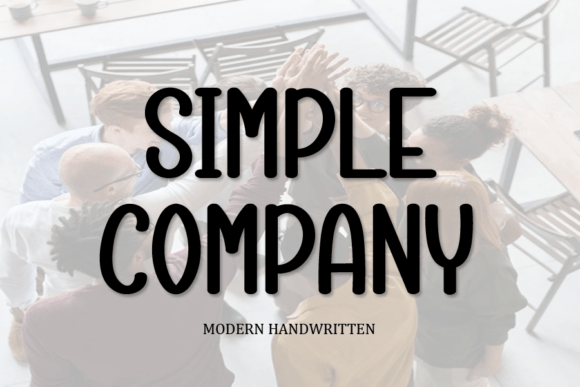
There is a distinct charm in the imperfections of the human hand. In a digital landscape often dominated by pixel-perfect geometry and rigid sans serif structures, the warmth of a handwritten touch can cut through the noise. Simple Company is a typeface that embodies this exact sentiment. It isn't just a font; it is a statement of authenticity. Created with a random and free style, this classic handwritten script brings a level of organic energy to design projects that automated tools simply cannot replicate. Whether you are crafting a brand identity or designing a layout for a magazine, this typeface offers a bridge between professional polish and personal intimacy.
The Visual Language of a Free-Style Script
Understanding the visual mechanics of Simple Company helps in appreciating its versatility. At its core, it is a display font. This means it is designed to be seen at larger sizes, making it ideal for headlines and logotypes where its intricate details can shine. Unlike standard serif fonts that rely on structured strokes and feet, or sans serif fonts that prioritize clean lines, this script font flows with a natural rhythm. The "random" aspect of its creation implies that it avoids the stiffness of formal calligraphy. It feels spontaneous, as if it were jotted down on a napkin during a moment of inspiration or sketched in the margins of a notebook.
This stylistic choice is crucial for modern typography. We are currently seeing a shift in design trends where consumers crave "human" elements. A font like Simple Company signals to an audience that a brand is approachable, creative, and unpretentious. It carries the energy of a premium font without the coldness of corporate minimalism. The strokes vary in weight, mimicking the pressure of a pen on paper, which adds depth and texture to any layout where it is applied.
Practical Applications: From Logos to Lifestyle
The true value of a typeface lies in its application. Simple Company is not a one-trick pony; its free-spirited nature allows it to adapt to a wide array of creative industries. For designers and entrepreneurs, the challenge is often finding a font that works across different mediums without losing its character.
Branding and Logo Design
A logo is the face of a company. For businesses in the lifestyle, fashion, or artisanal sectors, a rigid geometric logo can feel out of place. Simple Company works exceptionally well as a logotype or a wordmark. Imagine a boutique clothing brand, a specialty coffee roaster, or a modern florist using this script. The handwritten nature instantly communicates a story of craftsmanship and care. It tells the customer, "There are real people behind this product." When used in corporate identity, it softens the corporate image, making it more relatable to the end consumer.
Packaging and Merchandise
When a customer picks up a product, the packaging is their first tactile interaction with the brand. Using Simple Company on labels, boxes, or tags creates a tactile visual experience. It works beautifully on textured backgrounds like kraft paper or recycled cardboard. Furthermore, in the apparel industry, this font translates well onto merchandise. Think about the typography on a vintage-style t-shirt, a tote bag, or a hoodie. The casual, free-style aesthetic is exactly what the current market looks for in streetwear and casual fashion.
Editorial and Digital Content
Publishers and bloggers often struggle to make long-form content visually engaging. While body text usually requires a legible sans serif or serif font, the headlines and pull quotes are where Simple Company can steal the show. In a magazine layout or a book cover, it adds a layer of editorial flair. For digital content creators, particularly those on YouTube or Instagram, this font is a powerful tool for thumbnails and story graphics. It grabs attention in a split second because it mimics the organic nature of social media interaction. It feels personal, like a note from a friend, which significantly boosts audience engagement.
Enhancing Visual Consistency and Professional Presentation
One of the most overlooked aspects of design is consistency. A brand that uses five different fonts across its website, social media, and print materials looks disjointed and unprofessional. Simple Company can serve as the anchor for a brand’s visual language. By establishing this script as the primary display font for headlines and accents, a business can create a cohesive look.
Consider the concept of "visual identity." It is more than just a logo; it is the feeling a customer gets when they interact with your brand. If your goal is to project creativity and approachability, this typeface helps achieve that with high readability. While some overly complex handwritten fonts can become illegible at smaller sizes, Simple Company maintains its structure enough to be readable in subheadings and short bursts of text. This balance between style and legibility is the hallmark of a well-designed typeface.
Strategic Font Pairing and Usage
No font exists in a vacuum. To truly master the use of Simple Company, one must understand the art of font pairing. Because this font has a strong personality—random, free, and expressive—it pairs best with something more neutral. You don't want two loud voices competing for attention.
- The Classic Contrast: Pair Simple Company with a clean, geometric sans serif font. The simplicity of the sans serif (think Helvetica, Montserrat, or Open Sans) allows the handwritten script to take center stage without creating visual clutter. This is perfect for web design and business cards.
- The Vintage Vibe: Combine it with a sturdy, old-style serif font. This creates a nostalgic, editorial look that works well for magazine layouts, book covers, and movie posters. The serif font provides a sense of tradition, while the script adds a modern, rebellious twist.
- The Minimalist Approach: Use Simple Company sparingly. Let it act as a highlight for key words or headers against a backdrop of simple typography. This ensures that the "random" style doesn't overwhelm the reader.
Considerations for Commercial Use
For small business owners and freelancers, the technical side of design assets is just as important as the aesthetic. When incorporating a premium font like Simple Company into your workflow, licensing is a key factor. Always verify that the license covers your specific needs, whether that is for digital products, print-on-demand merchandise, or client work.
Additionally, take the time to review the included font styles. Many premium scripts come with alternate characters, ligatures, or stylistic sets. These features allow you to customize the look of the text, ensuring that your headline doesn't look identical to everyone else using the same font. Experimenting with these built-in variations can elevate a standard design into something truly unique.
Ultimately, typography is about communication. It is about finding the right voice for your message. Simple Company offers a voice that is warm, creative, and undeniably human. By integrating it thoughtfully into your branding, packaging, or digital content, you create a visual experience that resonates with your audience on a personal level. It reminds us that in a world of automated perfection, the best designs often come from the heart.