Night House: The Unpolished Elegance Your Brand Needs
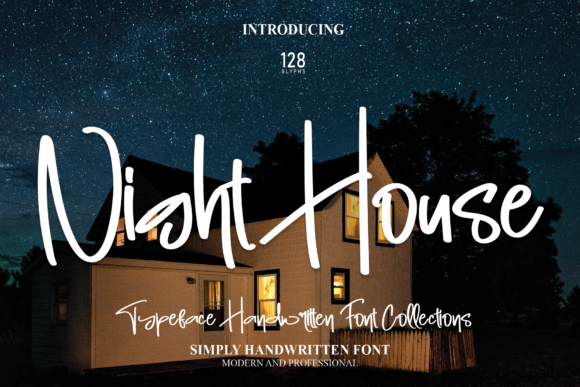
There’s a certain magic in a font that feels like it was born from a moment of inspiration—a quick sketch on a napkin, a signature dashed off in a hurry, a note left on the fridge. That’s the feeling Night House captures. It’s not a script font that’s been over-refined until every curve is perfect; instead, it embraces the beautiful randomness and freedom of authentic handwriting. For designers and creators, this isn't just another typeface; it's a tool for injecting personality and a human touch into digital and print projects. In a world saturated with sterile, geometric logos and predictable layouts, Night House offers a dose of genuine character.
A Font with a Handmade Soul
What makes Night House visually compelling is its deliberate imperfection. The letterforms vary slightly in baseline and size, mimicking the natural flow of a hand moving across paper. This isn't a rigid, predictable script. It has the energy of a casual, free-style creation, which makes it incredibly versatile. It feels approachable and authentic, bridging the gap between professional polish and personal expression. This quality makes it a standout choice for projects that need to tell a story or convey warmth, from a boutique bakery's logo to the title treatment for an indie film.
Think about the last time a hand-lettered sign in a coffee shop made you feel welcome, or how a musician's scrawled signature on an album cover added to its raw authenticity. Night House taps into that same psychological appeal. It suggests creativity, individuality, and a break from the corporate monotone. When used thoughtfully, it becomes more than just letters on a screen—it becomes a key part of your visual narrative.
Where Night House Truly Shines: Practical Applications
The true test of any creative font is how it performs in the real world. Night House isn't just for looking at; it's for working with across a multitude of contexts where its unique personality can add significant value.
- Branding & Logo Design: For businesses in the creative, artisanal, or lifestyle spaces, this font can form the core of a memorable brand identity. Imagine it for a freelance photographer, a hand-crafted jewelry line, or a podcast about storytelling. It immediately sets a tone that is personal and distinctive.
- Packaging & Merchandise: On product labels, hang tags, or tote bags, Night House elevates packaging design. It gives products on a shelf or in an online store a crafted, premium feel that stands out from mass-produced items. It’s perfect for conveying "made with care."
- Digital Presence: In the fast-scrolling world of social media, a script font like this can stop the thumb. Use it for Instagram story headers, YouTube video titles, or website hero sections to create an immediate emotional connection. It works beautifully for blog headers, especially for content related to lifestyle, DIY, or personal development.
- Print & Editorial: Don't limit it to logos. Night House can bring life to editorial design—think chapter openers in a book, pull quotes in a magazine layout, or stylized headings in a report. For event invitations or menu designs, it adds a layer of sophistication and event-specific flair.
- Marketing Assets: From email newsletter banners to digital ads and PDF worksheets, using a consistent handwritten font like Night House helps create a cohesive visual language across all your marketing materials, reinforcing brand recognition at every touchpoint.
Smart Strategies for Using a Script Typeface
With great personality comes great responsibility. A font as expressive as Night House requires some strategic thinking to ensure it enhances your design rather than hinders it. Here’s how to use it effectively.
Prioritize Readability Above All. The most beautiful font is useless if no one can read it. Night House is best suited for display purposes: logos, headlines, short statements, and call-outs. Avoid using it for long paragraphs of body copy. Pair it with a clean, highly legible sans serif or serif font for your main text. This contrast creates a dynamic and professional hierarchy, letting the script shine where it's meant to without sacrificing clarity.
Test Your Font Pairings Thoroughly. A great font pairing feels balanced. Load your chosen companion font and set a line of text next to a Night House heading. Does the weight feel right? Is there enough contrast in style without clashing? Sometimes a simple, geometric sans serif lets the organic script pop. Other times, a classic serif can ground the energy of the handwritten text. Always test in context—see how they look together on a mock-up business card or a social media post.
Consider the Context and Audience. Match the font's personality to your project's goal and your audience's expectations. Night House might be perfect for a trendy café's menu but less suitable for a corporate law firm's annual report. Its "random and free style" communicates informality and creativity. Use that to your advantage when you want to build a relatable, approachable, and human-centric brand image.
Explore the Full Toolkit. Many premium fonts come with alternate characters, ligatures, or stylistic sets. Check what's included with your Night House license. These extra glyphs can help you customize letter connections and avoid repetitive shapes, making your typographic compositions look even more authentic and less like a standard font application. This level of detail is what separates good design from great design.
Understand Your License. As a commercial font, always verify the licensing terms. Ensure the license covers your intended use, whether it's for a client's brand identity, print-on-demand merchandise, or digital products you sell. Respecting font licensing is a fundamental part of professional practice and supports the type designers who create these valuable design assets.
Bringing It All Together
Ultimately, choosing a typeface like Night House is a decision to prioritize emotion and personality in your visual communication. It’s a tool for creators who understand that branding is about connection, not just recognition. By applying it with intention—pairing it wisely, using it for the right moments, and respecting its inherent character—you can transform a standard project into something that feels uniquely crafted and genuinely engaging. It’s a reminder that sometimes, the most powerful design choices are the ones that feel the most human.