Maguica: The Handwritten Script for Authentic Branding
There’s a certain energy that comes with handwriting. It’s immediate, personal, and carries an authenticity that rigid, digital typefaces often struggle to convey. In a landscape saturated with clean, geometric sans-serifs and polished serifs, the raw, human touch of a script font can be the very thing that makes a brand or project feel approachable and real. This is where a typeface like Maguica enters the conversation. It’s not just another script font; it’s a tool designed to inject personality, spontaneity, and a distinct creative flair into your visual communications.
Understanding the Aesthetic and Practical Appeal
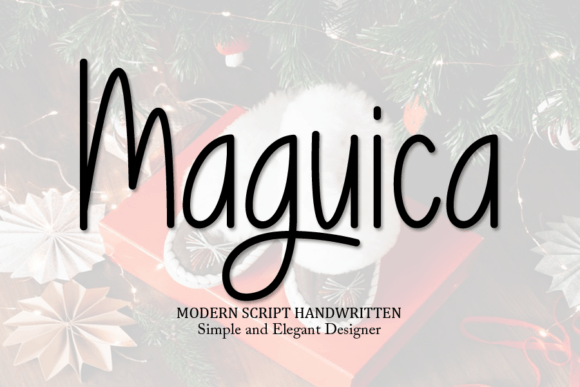
Maguica is described as a classic and simple handwritten script, created with a random and free style. Let’s unpack that. “Classic” suggests a timeless quality—it doesn’t lean so trendy that it will feel dated in a year. “Simple” is key for a script font; it means the letterforms are uncluttered, avoiding the overly ornate swirls that can kill readability. The “random and free style” is its core personality trait. This isn’t a font that looks like it was written with a ruler. It has the natural variation in baseline and stroke width you’d see in actual handwriting, which is what gives it that authentic, human feel.
This combination of traits makes Maguica a surprisingly versatile display font. Its strength lies in headlines, logos, and short bursts of expressive text. Think of it as the typographic equivalent of a friendly smile or a confident, casual signature. It immediately sets a tone that is creative, approachable, and slightly informal. For a small business owner crafting a brand identity, this can be invaluable. It communicates that there are real people behind the business, not just a corporate entity.
Where Maguica Truly Shines: Practical Applications
The real test of any creative font is how it performs in the wild. Maguica’s design makes it a strong candidate for a wide array of projects, but its effectiveness depends on using it in the right context.
- Logo Design & Brand Identity: This is a prime use case. A handwritten font like Maguica can form the cornerstone of a logotype for businesses that want to emphasize craftsmanship, personal service, or a creative ethos. Imagine it for a boutique bakery, a freelance photographer’s watermark, a craft brewery, or a handmade jewelry shop. It instantly tells a story about the brand’s character.
- Packaging & Product Labels: On physical goods, typography is a silent salesperson. Maguica can be used on packaging design to highlight a product name or a call-to-action like “Handmade” or “Small Batch.” It adds a layer of perceived value and care, suggesting the product inside is made with attention to detail.
- Digital Presence & Social Media: In the fast-scrolling world of Instagram, TikTok, and YouTube, grabbing attention is everything. Using Maguica for social media graphics—like quote cards, promotional banners, or video thumbnails—can make your content stand out in a feed full of standard fonts. It’s equally effective for website hero sections or blog post titles where you want to make a strong first impression.
- Editorial & Print Design: Beyond the digital realm, consider its use in editorial design. It can add visual interest to magazine pull-quotes, book chapter headings, or the masthead of a newsletter. For posters and event invitations, it brings a level of excitement and personality that a standard serif or sans-serif might lack.
- Merchandise & Apparel: The apparel industry thrives on bold, expressive type. A script font like Maguica is perfect for t-shirt designs, tote bag prints, or merchandise for bands, podcasts, and influencers. Its casual, artistic vibe aligns perfectly with streetwear and lifestyle brands.
Integrating Maguica into Your Design Workflow
Adopting a new font like Maguica into your projects requires more than just a download. To use it effectively and maintain a professional presentation, consider these practical steps.
Font Pairing is Everything: A script font rarely works well alone for body text. Its real power is unleashed when paired with a clean, neutral companion. A common and effective strategy is to pair Maguica with a sans serif font for paragraphs or detailed information. The contrast creates a clear visual hierarchy: the script font draws the eye to the headline, while the sans-serif ensures the supporting text remains highly readable. For a more sophisticated look, pairing it with a traditional serif font can work for certain themes, like vintage or literary projects. Always test pairings side-by-side in your actual design layout.
Prioritize Readability: The “free style” that gives Maguica its charm can become a liability if overused. Avoid setting long sentences or paragraphs in a script font. Its role is for display purposes—short, impactful text. When using it, ensure the size is large enough that the letterforms are distinct, especially at smaller scales. Check the kerning (the space between specific character pairs) in your design software; sometimes, handwritten fonts need a little manual adjustment to feel balanced.
Explore the Included Styles: A quality premium font often comes with more than just the basic alphabet. Look for what’s included with Maguica. Does it have alternates? Ligatures? These are stylistic variations of certain letters that can be swapped in to prevent repetition and make the typography feel even more natural and hand-lettered. This is a detail that separates a good design from a great one.
Clarify the Licensing: This is a critical, often overlooked step. Before using any commercial font in a client project, for merchandise, or in a logo you’ll be selling, you must understand the license. Ensure the license covers your intended use—whether it’s for a single project, unlimited projects, or for embedding in digital products. Reputable font foundries are clear about this, and respecting licensing is a fundamental part of being a professional designer or business owner.
Making the Right Typographic Choice
Choosing a typeface is ultimately a strategic decision. Maguica isn’t the right tool for every job, and that’s perfectly fine. It’s not meant to replace your body copy font or be used in a formal legal document. Its value is specific: to provide a burst of human, creative energy.
Ask yourself what your project needs to communicate. If the goal is to convey precision, corporate stability, or minimalist clarity, you’d look to a different family of fonts. But if you’re building a brand for a café, designing a wedding invitation, creating a YouTube channel banner, or developing marketing assets for a creative workshop, the authentic, free-spirited character of a handwritten script like Maguica could be the perfect fit. It’s a design asset that, when used thoughtfully, can significantly enhance visual consistency, aid in brand recognition, and drive audience engagement by making your message feel more personal and memorable. In the end, the best font is the one that serves the story you’re trying to tell.