Subline Designer: A Handwritten Font for Authentic Branding
There’s a particular kind of magic in a handwritten element. It feels immediate, personal, and alive—qualities that can be hard to capture in a world saturated with sterile digital perfection. If you’ve ever wanted to inject that human, free-spirited energy into your projects without sacrificing professionalism, you’ve likely searched for the right script typeface. This is where a classic option like Subline Designer enters the conversation, offering a bridge between casual artistry and polished design.
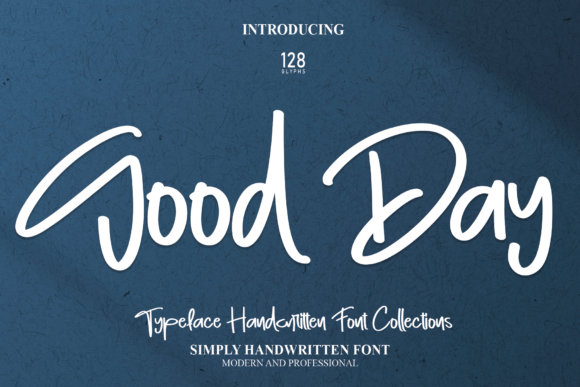
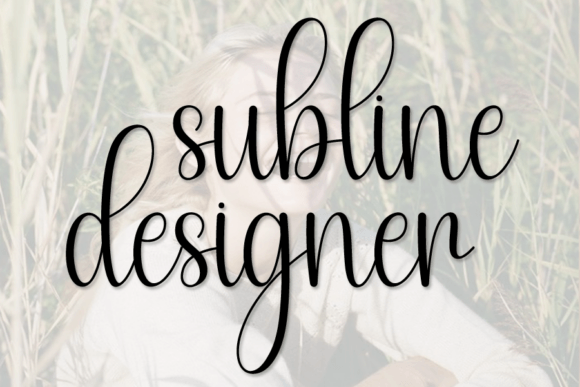
This typeface isn’t about rigid calligraphy or overly stylized loops. Its charm lies in its random, free-flowing style that mimics authentic handwriting. The strokes have a natural variation, a slight imperfection that makes text feel like it was penned by a real person, not generated by a machine. This inherent personality makes it a powerful tool for specific design goals where connection and emotion are paramount.
Where Does This Handwritten Style Shine?
The true test of any creative asset is its versatility. A font like Subline Designer excels in projects where you want to convey warmth, approachability, and a creative spirit. Think beyond the obvious. It’s a fantastic choice for a boutique bakery’s logo, where it can evoke the homemade quality of their products. For a musician’s album cover or a YouTube channel banner, it adds an indie, authentic vibe that resonates with audiences seeking genuine content.
Consider its role in packaging design. A handwritten script on a coffee bag or a candle label can tell a story of craftsmanship and care, immediately differentiating it from mass-produced competitors. In the realm of social media graphics, it cuts through the noise of standard sans-serifs, making quotes, announcements, and calls-to-action feel more personal and engaging. It’s also a natural fit for wedding invitations, greeting cards, and any print material meant to feel special and bespoke.
Pairing for Professional Impact
Using a display or script font effectively often means knowing how to pair it. Subline Designer works beautifully as a headline or accent font. Its readability at larger sizes is key for grabbing attention, but its free-form nature might make long paragraphs challenging. This is where strategic font pairing comes into play.
A common and effective approach is to combine it with a clean, geometric sans-serif font. The simplicity of the sans-serif provides a stable, easy-to-read foundation for body text, allowing the handwritten headlines to pop without overwhelming the reader. You could also pair it with a traditional serif font for a more editorial or classic feel, creating a compelling contrast between the structured and the spontaneous. The goal is balance—letting the unique personality of the script font enhance, not hinder, the overall design and readability of your project.
Practical Considerations for Your Project
Before integrating any new typeface into your workflow, a few practical steps ensure a smooth process. First, explore the font’s full character set. A quality premium font like this often includes multiple styles—perhaps a regular weight, a bold version, or alternate characters. These extras are invaluable for creating visual hierarchy and avoiding repetition in your designs.
Next, always test the font in context. Mock up your logo, create a sample social media post, or place it on a product template. Check how it looks at the intended size and against your chosen color palette. Does it maintain its charm? Is it legible on a mobile screen? This hands-on testing is a crucial step in the design process.
Finally, and perhaps most importantly, review the licensing. If you’re using the font for a commercial project—a client’s brand identity, merchandise for sale, or a monetized blog—you must ensure you have the correct commercial license. This protects both you and the font creator. Understanding the terms upfront prevents legal headaches down the road and is a mark of a professional designer.
Cultivating a Cohesive Visual Language
Typography is a cornerstone of brand identity. The fonts you choose communicate values before a single word is read. Selecting a typeface like Subline Designer is a strategic decision. It signals that your brand values creativity, individuality, and human connection. It can help a startup feel more approachable, give a creative portfolio an artistic edge, or make a blog feel more conversational.
When used consistently across your website, marketing materials, and social presence, it becomes a recognizable part of your visual signature. This consistency builds brand recognition. Your audience starts to associate that specific handwritten style with your message, fostering trust and familiarity. It’s not just about making something look pretty; it’s about building a cohesive and memorable visual language that supports your broader communication goals.
Ultimately, the best design choices are those that serve the story you’re trying to tell. A script font with a natural, free-flowing character offers a wonderful way to add a layer of authenticity and warmth. By thoughtfully applying it to the right projects, pairing it with complementary typefaces, and respecting its licensing, you can leverage its unique personality to create designs that truly resonate and connect with your intended audience.