Bhoseph Siblings: A Handwritten Script for Authentic Branding
Finding a font that feels genuinely personal, yet remains versatile enough for commercial use, is a common challenge. Many script fonts either look too formal or too casual, making them difficult to integrate into a cohesive brand identity. Bhoseph Siblings enters this space with a distinct character—a classic handwritten script with a random and free-spirited style. It’s designed not just to look good, but to feel authentic, making it a compelling choice for projects that demand a human touch.
Understanding Its Visual Personality
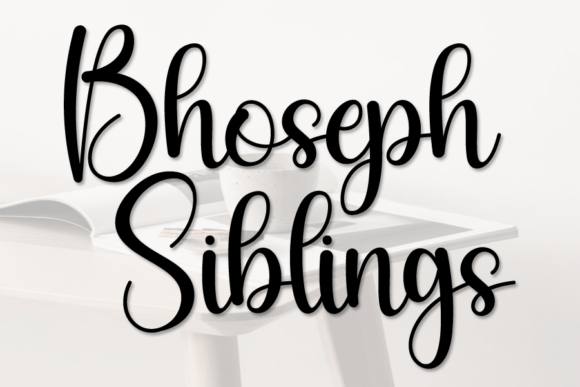
At its core, Bhoseph Siblings is a display font that prioritizes character over uniformity. The letterforms flow with a natural irregularity, mimicking the organic inconsistencies of real handwriting. This isn’t a sterile, digital script; it carries the warmth and spontaneity you’d find in a hand-lettered note. The classic foundation gives it a timeless quality, while the free-style execution prevents it from feeling outdated or stuffy. It’s this balance that makes it work across such a broad range of applications.
The visual appeal lies in its ability to convey emotion instantly. Whether used for a logotype or a headline font, it communicates approachability, creativity, and a sense of craftsmanship. For a designer, this means you can inject personality into a project without relying on complex illustrations or heavy design elements. The font itself becomes a key part of the visual story.
Where This Script Font Truly Shines
Practical application is where Bhoseph Siblings proves its value. Its style is particularly effective in contexts where personal connection and authenticity are paramount.
For brand identity and logo design, it offers a distinctive voice. Imagine a boutique coffee roaster, an artisan bakery, a freelance photographer, or a indie music label using this font for their wordmark. It instantly sets a tone that is handcrafted and genuine, differentiating them from competitors using more generic typefaces. In packaging design, it can make a product feel special and curated, especially on labels for gourmet foods, cosmetics, or handmade goods.
In the digital realm, its applications are just as potent. As a headline font on a website or blog, it captures attention and sets a creative mood. For social media graphics, it helps posts stand out in a crowded feed, adding a personal, relatable quality to quotes, announcements, or promotional content. It’s also a strong candidate for YouTube channel art, Instagram story templates, and digital product covers, where first impressions are crucial.
Print materials haven’t been left behind. Poster designs for local events, music gigs, or art exhibitions can leverage its free style for a vibrant, energetic feel. Invitations for weddings, parties, or corporate events gain an elegant, personal touch. Even in editorial layouts for magazines or book covers, particularly in genres like romance, poetry, or lifestyle, it can add a layer of visual interest and emotional resonance.
Integrating Bhoseph Siblings into Your Design Workflow
Knowing a font is good is one thing; using it effectively is another. Here’s how to think about incorporating this script font into your projects for maximum impact.
First, consider the hierarchy. Because of its strong personality, Bhoseph Siblings is best used for headlines, logos, or short bursts of text where you want to draw the eye. Pairing it with a clean, neutral sans serif font or a simple serif font for body text is essential. This contrast ensures readability while allowing the script’s character to shine without overwhelming the viewer. For example, a wedding invitation might use Bhoseph Siblings for the couple’s names and a classic serif for the details.
Second, test its versatility. A good premium font family often includes multiple styles. Before committing to a project, review what’s included with Bhoseph Siblings. Does it have alternate characters, ligatures, or different weights? These features can provide subtle variations, helping you tailor the font more precisely to your needs—perhaps a slightly bolder weight for a poster or a more delicate style for elegant stationery.
Third, always prioritize readability. This is non-negotiable, especially for body copy. While the handwritten style is beautiful, avoid using it for long paragraphs of text on websites or in print where legibility at small sizes is critical. Its strength is in display contexts. For web design, ensure the font is web-optimized and renders clearly across devices. For marketing assets like flyers or ads, check that the text remains crisp when printed.
Beyond the Project: Strategic Branding Implications
Choosing a typeface like Bhoseph Siblings is more than an aesthetic decision; it’s a strategic one. The right creative font contributes directly to visual consistency and brand recognition. When used consistently across touchpoints—from your logo to your social media to your packaging—it becomes a recognizable element of your brand’s visual language. This helps build a cohesive and professional presentation that audiences learn to associate with your business or creative work.
For entrepreneurs and content creators, this consistency builds trust. It shows attention to detail and a clear brand vision. A well-chosen font can also improve audience engagement. A personality-rich typeface like this one can make your communications feel more human and engaging, potentially increasing interaction on social media or making your website more memorable.
Finally, remember the practicalities of commercial licensing. Before using any font in client work, merchandise for sale, or large-scale distribution, verify the license. Ensure it covers your intended use, whether for a single logo, a series of apparel designs, or unlimited commercial projects. This due diligence protects you legally and is a mark of a professional designer or business owner.
In the vast landscape of modern typography, Bhoseph Siblings carves out a niche by offering a blend of classic charm and spontaneous energy. It’s a tool for designers, marketers, and creators who understand that sometimes, the most powerful way to communicate is with a personal, human voice. By applying it thoughtfully—respecting its strengths and pairing it wisely—you can create designs that don’t just look good, but feel genuinely connected to your audience.