Mastermind: A Slab Serif with Bold Character for Modern Brands
There's a moment in every creative project where the typography either clicks or falls flat. You've got the concept, the colors, the imagery—but the font feels like an afterthought. That's where a typeface like Mastermind enters the conversation. It's a slab serif with enough personality to anchor a brand identity without overwhelming the rest of your visual language. If you've been searching for something that balances presence with versatility, this font deserves a closer look.
Why Slab Serifs Still Matter in a Sans Serif World
For years, clean sans serif fonts dominated everything from tech startups to lifestyle brands. And while that minimalist aesthetic still works, there's been a noticeable shift. Designers and brand strategists are rediscovering the warmth and authority that serif typefaces bring to the table. Slab serifs, in particular, carry a grounded confidence. They feel sturdy without being stiff, classic without feeling dated.
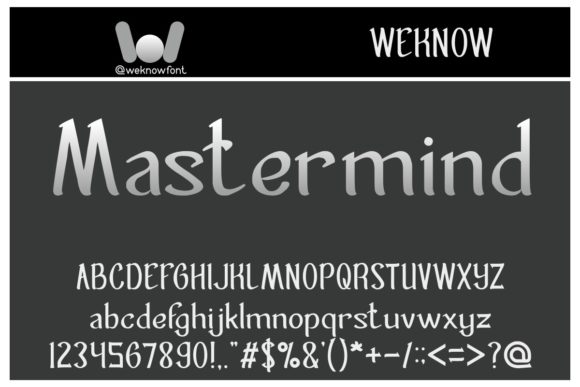
Mastermind fits squarely into this revival. It's not trying to mimic vintage letterpress or evoke a specific era. Instead, it takes the structural clarity of a slab serif and gives it a contemporary edge. The letterforms are bold, the proportions are deliberate, and the overall feel is one of quiet authority. That combination makes it a strong candidate for projects where you want to communicate trust, creativity, and professionalism all at once.
Where Mastermind Actually Works in Real Projects
Let's talk about practical applications, because a font is only as valuable as the contexts where it performs well. Mastermind is a display font at heart, which means it shines in situations where text needs to make an immediate impression. Think logo design, headline typography, poster layouts, and packaging. Its weight and structure give it enough visual gravity to command attention on a billboard or a social media thumbnail.
But here's where it gets interesting: Mastermind isn't limited to large-scale display use. Depending on the specific style you choose, it can work in shorter body text blocks, product descriptions, or editorial pull quotes. That flexibility matters when you're building a brand identity system that needs to feel cohesive across multiple touchpoints.
Consider a small business owner launching a new product line. The packaging needs to look premium. The website header needs to feel intentional. The Instagram posts need to stand out in a crowded feed. The business cards need to convey professionalism. Using Mastermind across these applications creates a visual thread that ties everything together without requiring a dozen different fonts.
Pairing Mastermind with Other Typefaces
No font exists in isolation, and one of the most common questions designers ask is how to pair a display serif with other typefaces. Mastermind's bold slab characteristics make it a natural partner for cleaner, more understated fonts. A simple geometric sans serif works well for body text, letting Mastermind handle the headlines and hero moments. Alternatively, pairing it with a subtle script or handwritten font can create an interesting contrast for brands that want to feel both authoritative and approachable.
The key is to let Mastermind do the heavy lifting visually. If you stack it alongside another high-contrast or heavily stylized font, the layout can feel chaotic. Instead, think of it as the anchor. It sets the tone, and the supporting typeface carries the informational load. This approach works whether you're designing a magazine spread, a YouTube channel banner, or a set of marketing emails.
Readability Isn't Just About Size
One thing worth noting: readability and legibility aren't the same thing. A font can be perfectly legible—meaning you can distinguish each letter—while still being hard to read in longer passages. Mastermind's slab serif construction gives it strong letter differentiation, which helps with legibility. The serifs create natural horizontal flow, guiding the eye across a line of text.
That said, context matters. A bold slab serif set at 12 points in a dense paragraph is a different experience than the same font at 48 points on a poster. For body copy, consider using a lighter weight or a companion sans serif. Reserve the heavier Mastermind styles for headlines, subheadings, and call-to-action text where impact matters more than sustained reading comfort.
Matching Typography to Project Goals
Every design decision should serve the project's objectives, and font selection is no exception. Before committing to any typeface, ask yourself what you want the audience to feel. If the answer involves words like "trustworthy," "bold," "creative," or "established," a slab serif like Mastermind is worth testing. If you're going for "airy," "delicate," or "minimal," you might pair it with something softer or use it sparingly.
For editorial design, Mastermind can bring structure to a layout that might otherwise feel flat. In packaging design, it communicates quality and intentionality. For social media graphics, it cuts through the noise with a distinctive voice. And for web design, it adds character to headers and navigation elements without sacrificing functionality.
The versatility here is genuinely useful. You're not locked into a single aesthetic. Mastermind adapts to the context you place it in, which is exactly what you need from a commercial font that you'll use across multiple projects over time.
Licensing and Long-Term Use
One practical consideration that often gets overlooked is licensing. If you're using a font for client work, merchandise, or digital products you plan to sell, you need to make sure the license covers commercial use. Most premium fonts come with clear licensing terms, but it's always worth reviewing the details before you build an entire brand system around a typeface.
Mastermind is designed as a commercial font, which means it's built with professional use in mind. That typically includes multiple styles, OpenType features, and language support that you won't find in free alternatives. Investing in a well-crafted font pays off over time because it reduces the friction of adapting your designs across different formats and media.
Making It Your Own
The best fonts are the ones that disappear into the work. They serve the message rather than competing with it. Mastermind has enough personality to be memorable, but it doesn't demand the spotlight. That balance is harder to achieve than it sounds, and it's what separates a useful design asset from a novelty.
Whether you're building a brand from scratch, refreshing an existing identity, or just looking for a typeface that brings something different to your toolkit, Mastermind is worth exploring. Test it in your next project. Set a few headlines, mock up a logo, try it on a poster layout. See how it feels in context. Typography is ultimately a tactile decision—you know the right font when you see it working.