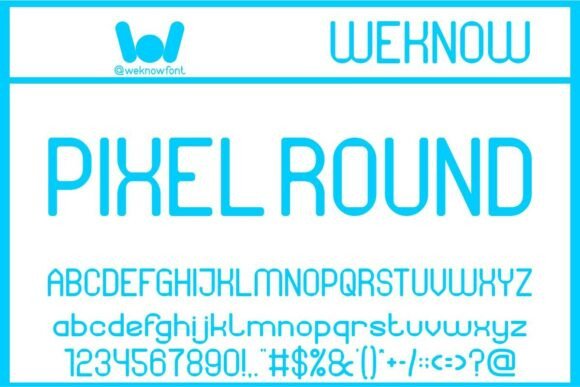
Pixel Round: The Monoline Sans-Serif for Modern Brands
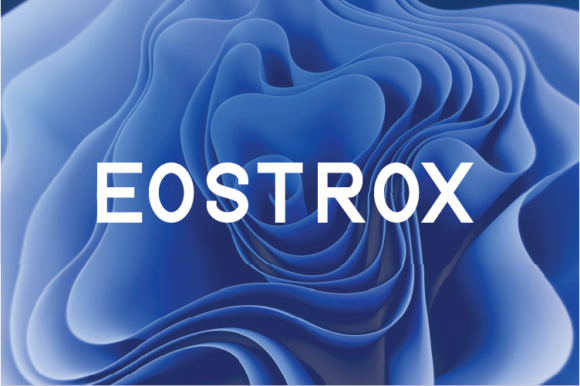
Finding a typeface that feels both contemporary and approachable can be a real challenge. You need something clean for professionalism but with enough character to stand out in a crowded visual landscape. Enter Pixel Round, a modern and minimalist monoline display sans-serif font built on a geometric foundation. Its most defining feature—the softly rounded edges—transforms standard geometric forms into something warmer and more inviting. This isn't just another display font; it's a versatile design asset poised to bring a fresh, cohesive energy to a wide array of creative projects.
Understanding the Visual Appeal
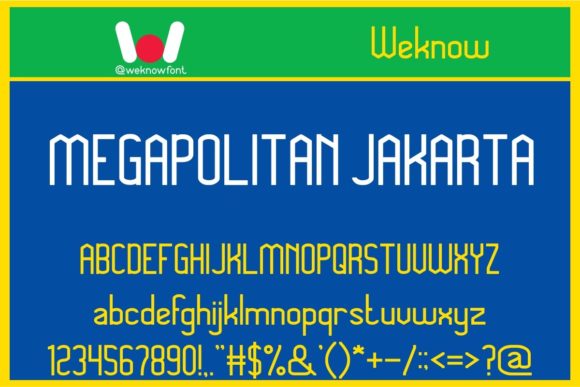
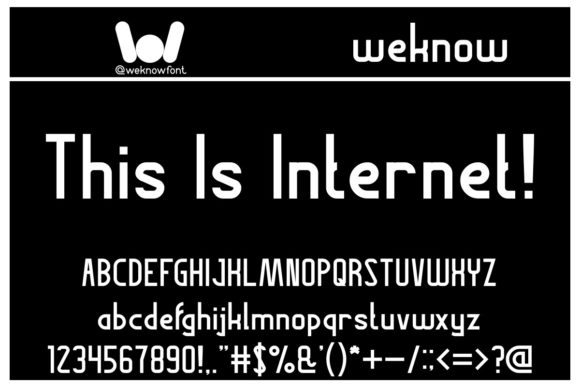
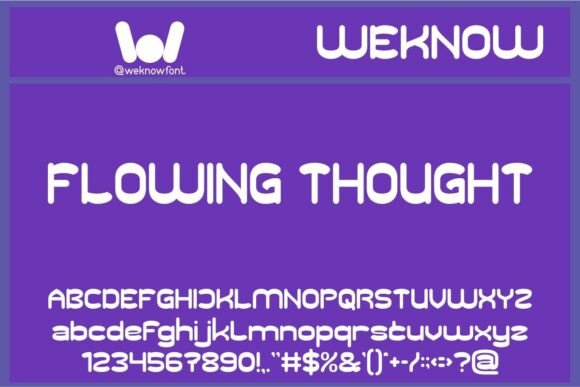
At its core, Pixel Round is a geometric sans serif font. This means its letterforms are constructed from simple shapes like circles and squares, giving it a structured, orderly appearance. The "monoline" aspect refers to the uniform stroke width throughout each character, contributing to its clean and balanced look. What sets it apart is the rounding of every terminal and corner. This subtle softening eliminates the sometimes sterile or harsh feel of purely geometric typefaces, injecting a dose of friendliness and approachability without sacrificing modernity.
The result is a typeface that reads as both professional and personable. It carries the clarity and legibility of a sans serif font while avoiding the coldness. This balance makes it exceptionally useful for projects where you need to communicate trust and innovation simultaneously—think tech startups, boutique agencies, or contemporary lifestyle brands. The consistent line weight ensures visual harmony across headlines and shorter blocks of text, making it a reliable choice for impactful branding and logo design.
Practical Applications Across Industries
The true test of a premium font lies in its adaptability. Pixel Round excels here, seamlessly transitioning from digital to print and from professional to playful contexts. Its character makes it a stellar choice for the apparel industry, where it can lend a clean, stylish edge to clothing labels, hang tags, and e-commerce websites. For graphic designers working on packaging design, the font's clarity ensures product information remains readable, while its rounded personality helps soften the overall aesthetic, making products feel more accessible.
In the digital realm, this creative font is a powerhouse for social media graphics. Its bold, distinct shapes command attention in a fast-scrolling feed, perfect for Instagram quotes, YouTube thumbnails, or promotional banners. Website designers will appreciate how it elevates headers and calls-to-action, ensuring key messages are seen. For bloggers and content creators, it offers a way to create a consistent visual identity across their site and all associated marketing assets, strengthening brand recognition with every post.
Beyond digital, its applications are equally broad. Consider its use in editorial design for magazine headlines or book covers, where it can add a contemporary flair. It brings a fresh spin to movie posters, music album art, and game interfaces, leaving a lasting impression. For those in the comic and cartoon realm, Pixel Round flourishes, sparking animated narratives with its friendly geometry. Even for personal projects like invitations, event posters, or merchandise for a small business, this typeface provides a polished, professional foundation that's easy to work with.
Enhancing Your Brand and Design Projects
Choosing a typeface is a strategic decision that directly impacts how your audience perceives your brand. A font like Pixel Round can significantly improve several key aspects of your visual communication. Its high readability across various sizes ensures your message is always clear, whether on a business card or a billboard. This clarity is foundational for building trust and ensuring your audience engages with your content rather than struggling to decipher it.
For brand identity, consistency is everything. Using a single, versatile typeface family for headlines, subheads, and supporting text creates a unified look that strengthens recognition. Pixel Round's range of styles—from light to bold—allows for this kind of typographic hierarchy while maintaining a cohesive visual thread. This professional presentation signals attention to detail and quality, which can subconsciously influence customer perception. When your typography is aligned with your brand's personality—whether it's innovative, friendly, or elegant—it helps forge a stronger emotional connection with your target audience.
Tips for Choosing and Using This Typeface
Before integrating any new font into your workflow, a little practical evaluation goes a long way. First, consider your project's primary goal. Are you designing a bold logo, a readable website, or elegant packaging? Pixel Round's geometric yet rounded style is fantastic for making a statement, but for long-form body text, you might want to pair it with a more neutral sans serif or even a serif font for optimal readability and visual interest.
This leads to the art of font pairing. A successful pairing creates contrast and hierarchy. Try combining the bold weight of Pixel Round for your main headline with a clean, humanist sans-serif font for your paragraphs. Alternatively, for a more creative or editorial project, it could be paired with a simple script font for accent text, provided the script remains legible. Always test your pairings in context—mock up a social media post or a webpage header to see how the fonts interact in real use.
When you acquire a commercial font, you're also acquiring a license. It's crucial to review the included font styles and the terms of that license. Does it cover web fonts, desktop use, and app embedding? A comprehensive license from a reputable source is a worthwhile investment for any serious commercial project, ensuring you're legally covered. Take time to explore all the weights and styles included in the font family. Often, a light or italic version can provide just the right nuance for a secondary element, giving you more creative flexibility without needing another typeface.
Ultimately, the best way to know if a typeface is right for you is to experiment. Download a trial if available, set some sample text in your brand's name and tagline, and see how it feels. Does it capture the energy you want to convey? Does it hold up at different sizes? By answering these questions, you move beyond simply choosing a font to strategically selecting a key component of your visual language, one that can help your project communicate more effectively and memorably.