Designing for the Horizon: A Deep Dive into the Sagist Typeface
When you’re building something that feels new, whether it’s a tech startup, a piece of science fiction media, or a high-energy gaming platform, the visual language needs to match the concept. You can’t simply slap a generic, century-old serif font onto a header meant to evoke cybernetics and deep space exploration. This is where the choice of typography becomes less about legibility and more about atmosphere. Enter the Sagist typeface, a premium font designed specifically for projects that demand a forward-thinking, geometric, and high-impact aesthetic. It isn't just a collection of letters; it is a design asset built to bridge the gap between modern minimalism and futuristic ambition.
The Geometry of Tomorrow
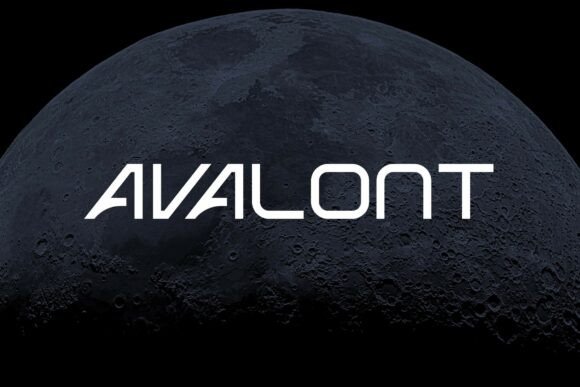
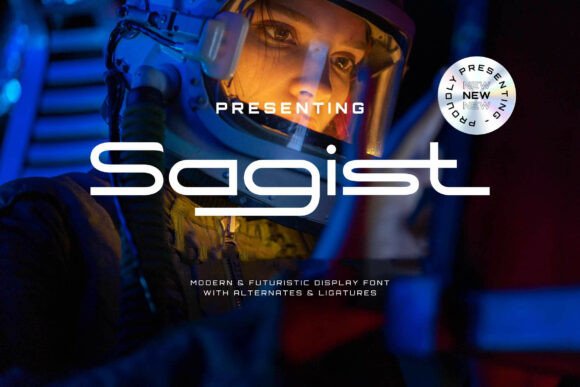
At its core, Sagist is a display font that commands attention through its distinctively wide and geometric structure. If you look closely at the letterforms, you’ll notice the precision in the monolinear strokes. There is no variation in thickness here, which gives the font a clean, mechanical, and reliable appearance. But what really sets it apart are the unique character cuts. These aren't the soft, rounded edges of a friendly sans-serif; they are sharp, calculated intersections that create a sense of speed and technology.
For designers and business owners, this visual weight is crucial. A wide stance in typography—meaning the letters occupy more horizontal space—gives headlines a stable and impactful presence. Think about the movie posters for blockbuster sci-fi films or the headers of major tech review sites. They need to be read quickly, often from a distance or on a busy screen. Sagist provides that immediate readability while simultaneously communicating a specific vibe: innovation, precision, and the future.
Practical Applications: Beyond the Sci-Fi Aesthetic
While the description of Sagist might immediately conjure images of spaceship interfaces and neon-lit cityscapes, its utility extends far beyond the realm of science fiction. The "futuristic" aesthetic has permeated mainstream design, especially in sectors focused on innovation, finance, and digital lifestyle. Here is how you can practically apply this creative font to various projects:
- Startup Branding and Logotypes: If you are launching a SaaS product, a crypto wallet, or a hardware manufacturer, your logo needs to look like it belongs in 2025, not 1995. The geometric nature of Sagist makes it perfect for sharp, modern logotypes. It suggests efficiency and structure, traits customers look for in tech services.
- Digital Marketing and Social Media: On platforms like Instagram, TikTok, or LinkedIn, you have a split second to stop a user from scrolling. A bold, wide display font creates high-contrast graphics. Using Sagist for social media graphics ensures your announcements for "Cyber Sales," product drops, or webinar invites pop off the screen.
- Gaming and UI Design: User Interface (UI) design for games requires a delicate balance. The text must be readable, but it must not break immersion. Sagist works beautifully for heads-up displays (HUDs), menu screens, and promotional materials for esports teams or gaming tournaments, pulling users into the experience.
- Editorial and Packaging: Don't overlook print. A magazine cover featuring a tech review or a packaging design for a new gadget can benefit immensely from a font that looks "engineered." It elevates the perceived value of the product inside the box.
Strategic Pairing and Readability
One of the most common mistakes in using a display font like Sagist is trying to use it for everything. Because it is wide and stylized, it is not designed for long-form body copy. If you use it for a full paragraph, the reader’s eye will fatigue quickly. Instead, use it for impact.
The best approach to font pairing is contrast. Since Sagist is geometric, wide, and monolinear, pair it with a simple, neutral sans-serif or a clean serif font for the body text. A font with a narrower width will balance out the horizontal dominance of the Sagist headlines. For example, using Sagist for your main headers creates a strong visual hierarchy, while a standard sans-serif handles the details. This creates visual consistency and ensures your brand identity feels cohesive rather than chaotic.
Customization and Technical Utility
For the creative professionals and hobbyists who love to tweak their designs, technical features matter. A major advantage of the Sagist typeface is that it is PUA-encoded (Private Use Areas). For those who aren't deep in the weeds of typography software, this simply means that accessing special characters is effortless.
Often, premium fonts come with beautiful swashes, alternate characters, or ligatures that are hidden behind complex keystrokes. With PUA encoding, you can access these glyphs through a standard character map, regardless of what software you are using—whether it's Adobe Illustrator, Photoshop, or a basic design app on a tablet. This allows you to customize your creations with ease, perhaps swapping out a standard "A" for a more stylized version to make your logo truly unique.
Making the Right Choice for Your Project
Choosing the right typeface is a subjective process, but it should always be guided by your project goals. Before committing to Sagist, consider the emotional response you want to elicit. Does your brand need to feel friendly and organic? If so, a handwritten script might be better. But if your goal is to project authority, technological advancement, and a sleek, professional feel, then a geometric sans-serif like Sagist is the right tool for the job.
It is also worth considering the versatility of the font family. When looking at design assets, check if the font includes different weights. While the standard Sagist is bold and commanding, understanding how to utilize its full range of styles will help you maintain hierarchy in complex designs. Always test your font pairings in context. Don't just look at "Aa Bb Cc" on a specimen sheet; type out your actual headlines. See how the wide letters interact with your specific copy. Does it fit? Does it breathe?
Ultimately, typography is the voice of your visual communication. By selecting a typeface that embodies the spirit of the future, you aren't just decorating a page; you are signaling to your audience that you are ready for what comes next. Whether you are crafting a VR invitation or designing a sharp, modern pitch deck, Sagist provides the visual foundation to make that message resonate.