Hidden Beauty: The Retro-Futurist Typeface for Modern Design
There's a particular kind of visual confidence that comes from the geometry of the past. It's the clean, optimistic lines of Art Deco architecture, the streamlined curves of mid-century furniture, and the bold, hopeful typography of the space-age era. This is the world Hidden Beauty inhabits—a geometric sans-serif font that channels retro-futurism into a tool for contemporary creation. It’s not just a typeface; it’s a mood, a statement, and a bridge between the nostalgia of yesterday and the sleek demands of today's design landscape.
More Than a Font: A Visual Language
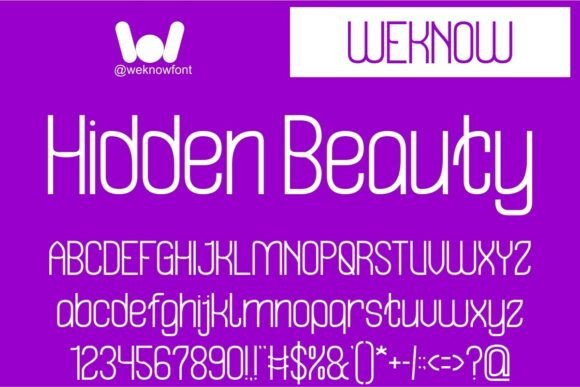
At its core, Hidden Beauty is a condensed decorative sans display font. This means it’s built for impact, not lengthy body text. Its rounded monoline strokes give it a friendly yet sophisticated personality, avoiding the harshness some geometric fonts can have. The letters are crafted with a uniform line weight and subtle, consistent curves that create a harmonious rhythm on the page or screen. This design choice makes it incredibly versatile. It feels equally at home on the arresting cover of a music album, defining an edgy corporate identity, or lending unique character to a brand’s visual voice. For the designer or entrepreneur, this isn't just another premium font in your library; it's a strategic asset for crafting a specific emotional response.
Crafting a Brand That Stands Out
Choosing the right typeface is a foundational decision in building a brand identity. It sets the tone before a single word of copy is read. Hidden Beauty, with its blend of retro charm and modern clarity, is particularly effective for brands that want to communicate innovation, creativity, and a touch of nostalgic cool. Imagine it for a tech startup that values design-thinking, a boutique coffee roaster with a focus on craft, or a fashion label with a minimalist, forward-looking aesthetic.
Its strength lies in its ability to create immediate visual consistency. When used across a logo, website headers, social media graphics, and packaging, it becomes the recognizable thread that ties all brand materials together. This consistency is crucial for brand recognition. Your audience starts to associate that distinctive, elegant geometry with your products and services, building trust and recall over time. It moves your brand from being just another option to being a memorable presence.
From Screen to Street: Practical Applications
The true test of a creative font is how it performs in the wild. Hidden Beauty adapts beautifully across a multitude of mediums, making it a workhorse for any project.
- Digital Presence: As a web design asset, it shines in hero sections, landing page headlines, and navigation menus. Its condensed nature allows for impactful statements without consuming excessive screen real estate. For social media graphics, it grabs attention in crowded feeds, making your posts stand out with a professional, curated look.
- Print & Packaging: On physical materials, the font's clean lines reproduce with exceptional clarity. It’s a superb choice for business cards, letterheads, and posters. In packaging design, it can define a product line, giving it a distinct shelf appeal that communicates quality and design-awareness.
- Merchandise & Apparel: Casting a stylish tone on apparel is where this typeface truly excels. Its bold, geometric forms are perfect for t-shirt graphics, tote bag designs, and merchandise where the typography itself is the main design element.
- Editorial & Entertainment: Think of the dramatic title screen of an indie film, the immersive interface of a video game, or the dynamic layout of a magazine spread. Hidden Beauty provides the visual weight and unique character needed to set a scene and define a project's genre.
Pairing for Perfection and Readability
While Hidden Beauty is a star, it rarely works alone. Effective typography often involves a thoughtful font pairing. Because it’s a display font with strong personality, it pairs best with more neutral, readable sans-serif or serif fonts for body text. Consider pairing it with a clean sans-serif like Helvetica or a classic serif like Garamond for paragraphs. This creates a clear visual hierarchy: the display font captures attention for headlines and key points, while the supporting font ensures longer content is comfortable to read.
Always test your pairings. Look at how the x-height, weight, and overall feeling of the fonts complement each other. The goal is contrast, not conflict. Hidden Beauty should command the spotlight, while its partner font plays a supportive, foundational role. Also, review the included font styles. Many premium fonts like this come with multiple weights or stylistic alternates, giving you more flexibility to fine-tune your design's emphasis and tone.
Making the Strategic Choice
Selecting a font for a commercial project involves more than just aesthetics; it’s a practical business decision. Before fully committing, consider these points:
- Project Alignment: Does the retro-futurist, geometric vibe of Hidden Beauty align with your project's goals and your audience's expectations? It’s perfect for a creative portfolio or a music label, but might be less suitable for a traditional law firm's website.
- Readability in Context: Always view the font at the size and in the environment it will be used. A headline on a billboard has different readability requirements than a button label on a mobile app. Test it thoroughly.
- Licensing: Ensure you have the correct commercial license for your intended use. Whether it's for a single client, a series of products, or a massive advertising campaign, using a font within its licensing terms is non-negotiable for professional work.
In a sea of generic typography, Hidden Beauty