BitBold: The Pixel-Perfect Font for Digital Natives
There’s a specific feeling you get when a design instantly communicates its purpose. You look at it, and without reading a single word, you know the vibe: digital, energetic, maybe a little bit retro, and undeniably modern. Often, this magic starts with typography. In a world saturated with smooth, predictable sans serif fonts, finding a typeface with genuine character that still feels clean and professional can be a challenge. Enter BitBold, a sans serif, display font that captures the essence of pixel art and retro gaming, yet feels perfectly at home in contemporary design. Its blocky, constructed letterforms are more than just a stylistic choice; they’re a statement. This is a typeface for projects that want to feel approachable, innovative, and connected to a digital-first audience. It’s for the designer building a tech startup’s brand, the entrepreneur launching a gaming channel, or the marketer creating scroll-stopping social ads.
A Typeface with a Digital Soul
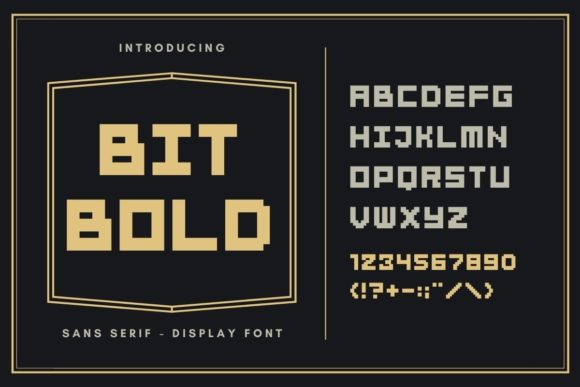
What makes BitBold visually distinct is its masterful balance. It’s a display font that doesn’t sacrifice personality for readability. Each character is built on a clear grid, giving it that satisfying, pixelated aesthetic reminiscent of classic 8-bit and 16-bit video game interfaces. Yet, the proportions are carefully considered, ensuring it doesn’t look dated or overly niche. The letters are bold and confident, with consistent stroke widths that create a strong, unified visual presence. This isn’t a delicate serif font for a luxury law firm; it’s a typeface with the energy of a startup launch or a product drop. Its square terminals and geometric construction make it feel sturdy and reliable, while the subtle pixel effect adds a layer of texture and interest that a standard modern typography choice would lack. It’s this combination of nostalgic charm and contemporary boldness that makes it so versatile.
Think about the projects where you need to make an immediate impact. A logo design for an indie game studio, the title screen for a YouTube series, or the headline on a poster for a tech conference. BitBold steps into these roles effortlessly. Its high legibility at larger sizes means your message gets across instantly, which is crucial for brand recognition. The visual consistency it offers across different applications—from a website header to a merchandise tag—helps build a cohesive brand identity that audiences will remember. It’s a premium font that feels accessible, avoiding the sometimes cold or sterile feel of other geometric sans serifs. Instead, it invites engagement, making it a powerful tool for visual communication.
From Screen to Print: Real-World Applications
The true test of any design asset is its practical application. BitBold’s pixelated style isn’t just for show; it solves specific design problems across a wide range of media. Let’s break down where it can truly shine.
- Digital & Web Design: As a web design asset, BitBold is fantastic for hero section headlines, call-to-action buttons, and navigation elements on sites for tech companies, gaming blogs, or creative portfolios. It injects personality without compromising on the clean, functional needs of user interface design. For social media graphics, it’s a game-changer. Think bold Instagram story titles, eye-catching YouTube thumbnails, or dynamic Facebook ad copy that needs to stand out in a fast-scrolling feed. Its boldness ensures readability even on small mobile screens.
- Branding & Marketing: For branding, BitBold can be the cornerstone of a visual identity for an app developer, a digital marketing agency, or a creator of digital products. It pairs exceptionally well with a simpler, neutral body font, allowing the headline font to carry all the stylistic weight. In packaging design, imagine it on boxes for tech gadgets, energy drinks, or snack brands targeting a younger demographic. It communicates innovation and fun instantly. It’s equally effective for print materials like event posters, flyers for LAN parties, or editorial design in magazines focusing on gaming and technology.
- Merchandise & Creative Projects: The commercial font license makes it ideal for merchandise. Think bold graphics on t-shirts, hoodies, and stickers for streamers, esports teams, or tech brands. For invitations, it sets a modern, playful tone for launch parties, gaming tournaments, or tech meetups. Even hobbyists and crafters can use it for personal projects like custom scrapbooking or creating unique digital art prints, adding a professional, polished touch to their work.
Making It Work: Pairing and Practicality
Choosing the right font is one thing; using it effectively is another. BitBold is a creative font with a strong voice, so the key is to use it strategically. For maximum readability, it’s best reserved for headlines, titles, subheadings, and short bursts of text. Its detailed, constructed nature works best at medium to large point sizes. For body copy, you’ll want to pair it with a highly legible, simpler typeface. A clean sans serif like a classic grotesque or a handwritten font with good x-height can create a beautiful contrast, letting BitBold command attention while the body text remains comfortable to read.
Always test your font pairing. Does the combination feel balanced? Does the body font complement BitBold’s energy or compete with it? A good rule of thumb is to pair a font with high personality (like BitBold) with one that is more neutral and understated. Also, consider the included styles. While BitBold is known for its bold weight, check if it comes with variations like an outline, a condensed version, or different weights. These can add tremendous flexibility to your designs, allowing you to create hierarchy and visual interest within the same typeface family. Before finalizing any project, especially for commercial use, always review the commercial licensing details to ensure you’re covered for your specific application, whether it’s for a client’s logo or a print-on-demand product line.
Ultimately, BitBold is more than just a set of pixels arranged into letters. It’s a tool for storytelling. It tells your audience that you’re plugged into the digital world, that you value creativity and clarity, and that your brand has a distinct point of view. In a crowded marketplace, that kind of instant, visual communication is invaluable. It’s a typeface that doesn’t just sit on the page; it makes a statement, inviting your audience to engage, play, and connect.