The Brush: Where Authentic Handwriting Meets Modern Design Needs
There’s a certain magic to a design that feels personal. It’s the difference between a generic corporate logo and one that feels like it was crafted just for you, or between a social media post that scrolls by and one that makes you stop. In a world saturated with clean, digital perfection, a touch of human imperfection can be incredibly powerful. That’s the core appeal of a typeface like The Brush. It’s not just a collection of letters; it’s the digital echo of a hand moving across paper, capturing the spontaneous energy of a creative idea as it forms. For designers, entrepreneurs, and creators, this isn't just about aesthetics—it's about forging a genuine connection.
The Authentic Energy of a Handwritten Script
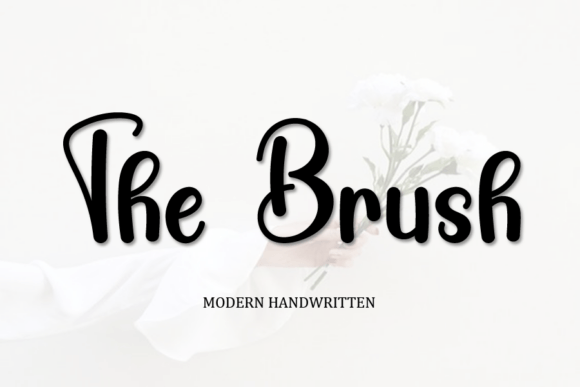
What sets a font like The Brush apart from thousands of other script typefaces? It’s the deliberate embrace of randomness. This isn’t a meticulously engineered calligraphy font with perfect, uniform strokes. It’s a classic handwritten script built on a foundation of free, uninhibited movement. You can see the slight variations in baseline, the natural flow of the ink, and the casual, confident rhythm of a hand that isn’t trying to be perfect. This authenticity is its greatest asset.
Visually, it reads as approachable, creative, and human. It bypasses the cold precision of a geometric sans serif and speaks directly to emotion. This makes it an exceptional choice for projects where personality and story are paramount. Think of a boutique coffee roaster’s packaging, a wedding invitation that feels intimate, or the opening title of an indie film. The Brush doesn’t just display words; it conveys a mood—be it artistic, rebellious, elegant, or cozy.
From Logo to Packaging: Making It Work in the Real World
Understanding a font’s character is one thing; knowing how to deploy it effectively is another. The practical applications for a versatile script like this are vast, but success lies in strategic use. It’s rarely the best choice for long blocks of body text, where its decorative nature can hinder readability. Instead, think of it as your headline act, your signature, your accent.
For Branding and Logo Design: This is where The Brush can truly shine. A logo is the cornerstone of a brand identity, and using a handwritten script instantly injects personality. It works beautifully for brands in the artisanal, lifestyle, wellness, or creative industries. Imagine it for a craft brewery, a handmade jewelry line, a yoga studio, or a personal blog. It suggests that there’s a real person behind the brand, someone who cares about their craft.
Across Marketing and Digital Assets: Consistency is key in branding, and a font like this provides a strong, recognizable thread. Use it for:
- Social Media Graphics: Create eye-catching quotes, sale announcements, or story highlights that stand out in a fast-moving feed.
- Website Headers and CTAs: Use it for key headings or a memorable tagline on your homepage to set the tone immediately.
- Email Marketing: A compelling subject line or a personalized sign-off in The Brush can increase open rates and engagement.
- Digital Products: It’s perfect for ebook covers, online course titles, or printable art, adding a layer of perceived value and artistry.
In Print and Editorial Design: The tactile nature of print pairs wonderfully with a handwritten feel. Consider it for magazine feature titles, book chapter headings, poster headlines for music or art events, or elegant invitations. For packaging design, it can elevate a product on the shelf, telling a story of craftsmanship before the customer even reads the description.
The Art of the Pair: Ensuring Readability and Professionalism
Using a expressive script font effectively is a balancing act. The goal is to harness its energy without sacrificing clarity or looking unprofessional. Here’s how to approach it with a designer’s mindset.
Prioritize Readability: Always test your chosen text at the size it will be viewed. A beautiful swirl on a lowercase ‘g’ might become an unreadable blob at small sizes on a mobile screen. For body copy or critical information, pair The Brush with a highly legible serif or sans serif font. A classic combination is a bold handwritten headline followed by a clean, simple typeface like Open Sans, Lato, or a traditional serif like Georgia for the paragraph text. This contrast creates visual hierarchy and ensures your message gets across.
Match the Mood to the Mission: Does your project call for playful energy or sophisticated elegance? The Brush often comes with multiple styles—perhaps a regular weight, a bold version, and maybe even alternates or swashes. Review the full character set. A slightly more streamlined version might work better for a corporate website than the most expressive swash-filled variant, which might be perfect for a music festival poster.
Consider Commercial Licensing: This is a practical, non-negotiable step. If you’re using the font for a client project, a product for sale, or a business venture, you must ensure you have the correct commercial license. A reputable premium font will have clear licensing terms. This protects you legally and supports the typographer who created the tool you’re using. It’s a mark of professional practice.
Building a Visual Language That Resonates
Ultimately, choosing a typeface like The Brush is about more than just picking a pretty style. It’s a strategic decision in visual communication. It helps you build a cohesive brand identity that feels intentional and authentic. When your logo, website, social media, and packaging all share this common handwritten thread, you create a unified experience that is far more memorable than disparate parts.
It’s a tool for engagement. In a digital landscape, a human touch can cut through the noise, inviting your audience to pause and connect. It tells them there’s creativity, passion, and individuality at the heart of what you do. Whether you’re a small business owner crafting your first brand suite, a designer looking for that perfect accent font, or a content creator aiming to make your visuals more personal, understanding how to leverage a font’s unique personality is a valuable skill. The Brush offers a direct line to that goal, providing the spontaneous, authentic charm that can turn a simple design into a compelling story.