Path: The Fresh, Sketchy Serif That Adds Instant Personality
You know the feeling when you’re scrolling through a feed and something stops you mid-swipe? It’s not always a photo. Sometimes, it’s a headline, a logo, a piece of packaging that just feels… different. It has character. It’s not another sterile, geometric sans-serif. It has a heartbeat. That’s the kind of reaction a typeface like Path is built to create. In a sea of digital perfection, this fresh and sketchy serif font brings a human touch, a bit of controlled chaos, and a whole lot of visual interest to your work.
More Than Just a Pretty Font
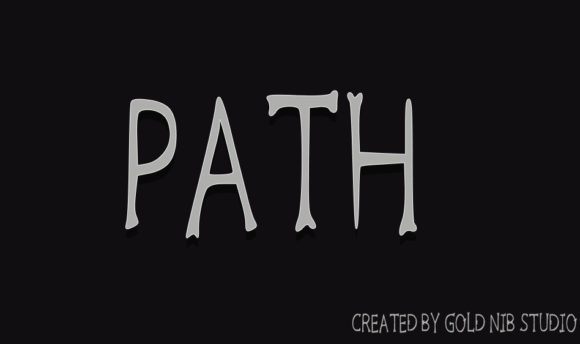
Let’s be clear: Path isn’t trying to be the workhorse for your 400-page annual report. Its strength lies in its personality. Think of it as the charismatic friend who walks into a room and immediately draws attention. The slightly irregular edges, the hand-drawn quality of the serifs—it all combines to create a typeface that feels authentic and approachable. This isn’t a cold, corporate font; it’s a creative font with a story to tell. For a designer, it’s a tool that injects immediate warmth and a touch of the handmade into any project.
This sketchy serif style hits a sweet spot. It carries the authority and structure of a traditional serif, which can aid in readability for certain contexts, but it sheds the stuffiness. The result is a modern typography choice that feels both contemporary and timeless, perfect for projects that need to feel grounded yet fresh.
Where Path Truly Shines: Practical Applications
The real value of a font like Path is in how you use it. It’s not just about looking good in a specimen sheet; it’s about solving design problems and achieving specific goals. Here’s where it can make a tangible difference.
Building a Recognizable Brand Identity
Your brand’s visual language is its handshake. Using Path in your logo design or primary brand headlines can set you apart from competitors using the same old minimalist fonts. It’s ideal for brands that want to communicate creativity, authenticity, and a bit of edge—think indie bookstores, artisan coffee roasters, boutique breweries, or a freelance illustrator’s portfolio. The font itself becomes part of your story.
Dominating the Digital Space
On social media graphics, stopping power is everything. Path can turn a simple Instagram quote or a YouTube thumbnail into something scroll-stopping. Its unique character helps your content stand out in a crowded feed, improving audience engagement. For websites and blogs, consider using it for hero section headlines, pull quotes, or section headers. It adds visual rhythm and draws the reader’s eye, breaking up the monotony of body text.
Commanding Attention in Print
This is where the sketchy serif quality really comes alive. Imagine it on event posters, giving a music festival or gallery opening an energetic, artistic vibe. Think about packaging design for a specialty product—it suggests craftsmanship and care. It’s also a standout choice for editorial layouts in magazines or books, especially for chapter titles or cover designs in genres like young adult fiction, fantasy, or graphic novels.
Elevating Personal and Commercial Projects
From invitations and greeting cards to merchandise like T-shirts and tote bags, Path adds a layer of curated cool. For creators selling digital products—think printable planners, art prints, or social media templates—using a distinctive premium font like this can increase the perceived value and professionalism of your offering.
Smart Pairing and Practical Considerations
A powerful font is even more powerful in the right company. Because Path has such a strong personality, pairing it thoughtfully is key. The classic rule of contrast applies beautifully here.
- With a Clean Sans-Serif: Pair Path with a neutral, geometric or humanist sans serif font for body text. This creates a beautiful hierarchy where the headline grabs attention and the body copy remains highly readable. Think Path for the title, and something like a clean Montserrat or Open Sans for the paragraphs.
- With a Simple Script: For a more artistic, feminine, or elegant feel, try pairing it with a simple, legible script font. Use the script for a sub-headline or a call-to-action, letting Path anchor the main message. Avoid overly ornate scripts that would compete for attention.
- On Its Own: Don’t be afraid to use different weights and styles of Path together. If the font family includes a bold, italic, or condensed version, mixing these can create a cohesive yet dynamic layout without introducing another typeface.
Before you commit, always test your font pairing in context. Does it work at small sizes on a mobile screen? Is it legible when printed on textured paper? Most quality fonts, especially a commercial font like Path, will come with multiple styles—regular, bold, italic, and often alternates or ligatures. Review the full character set to see what creative tools you have at your disposal.
Finally, always check the licensing. For any project with commercial intent—from a client’s logo to a product you sell—you need to ensure you have the proper license. This protects you legally and supports the type designers who create these valuable design assets.
Finding Your Visual Voice
Choosing a typeface is a strategic decision. It’s not just about what looks pretty; it’s about what communicates the right message. Path isn’t for every project, and that’s its strength. It’s for the times when you need to break from the expected, to add a layer of humanity and artistry. It’s for the brand that wants to feel approachable, the poster that needs to shout, and the packaging that aims to delight. In a world of digital uniformity, a font like Path is a reminder that design can—and should—have a soul. So, the next time you’re looking for a typeface that does more than just sit on the page, give Path a closer look. It might just be the missing piece that brings your entire creative vision together.