Element: A Fresh Take on Modern Decorative Typography
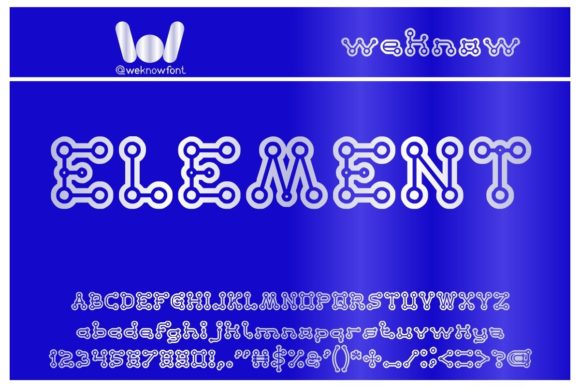
Finding a font that feels both contemporary and versatile can be a real challenge. You want something with personality that doesn't sacrifice clarity, something that stands out without being distracting. Enter Element, a modern decorative font that strikes that balance beautifully. Its clean lines and original aesthetic make it a go-to choice for designers and creators who need a typeface that works hard across a variety of applications, from bold logos to sleek social media posts.
More Than Just a Pretty Face
At its core, Element is a display font designed to make an impression. Its construction is thoughtful, with a geometric foundation that gives it a stable, confident feel. Yet, it avoids looking rigid or cold. There's a subtle warmth and creativity in its letterforms, making it feel approachable and engaging. This isn't a font that fades into the background; it's built to be a focal point, ideal for headlines and logotypes where first impressions count.
What makes it particularly useful is its adaptability. While it's undeniably a modern typeface, its design isn't tied to a fleeting trend. This gives it a longer shelf life in your design toolkit. Whether you're working on a tech startup's brand identity, a music festival poster, or the cover of an indie magazine, Element provides a fresh, current look without feeling gimmicky.
Where Element Truly Shines: Practical Applications
The real test of any creative font is how it performs in the wild. Element proves its worth across a stunning range of projects. For brand identity, it can be the cornerstone of a visual system, setting a distinct tone from the outset. Its strong presence makes it perfect for logo design, where it can be used alone or paired with a simpler sans-serif for body text.
Consider its role in packaging design. A product on a crowded shelf needs to catch the eye instantly. Element's unique character can help a brand stand out, conveying a sense of modernity and quality. Similarly, in editorial design—think magazine covers or chapter headings in a book—it commands attention and guides the reader's eye through the layout.
For the digital space, it's a powerhouse. It translates exceptionally well to web design, creating impactful hero sections and navigation headers. On social media graphics, it stops the scroll. Its bold style is perfect for Instagram stories, YouTube thumbnails, and Facebook ads where you have mere seconds to communicate a message. It's also a fantastic choice for digital products like online course materials or e-book covers, adding a layer of professional polish.
Pairing and Practicality: Using Element Effectively
A great font is only as good as its implementation. While Element is versatile, using it effectively requires a bit of strategy. The most common and effective approach is to use it for headlines and pair it with a highly readable, neutral typeface for body copy. A clean sans-serif like Open Sans, Lato, or even a classic serif like Lora can create a beautiful and functional contrast. This pairing ensures your main message pops while the supporting text remains easy to read in longer paragraphs.
Always consider the context and scale. Element's detailed forms are meant to be seen at larger sizes. Using it for small body text on a website or in a dense report would likely hurt readability. Test it in your specific application—view it on different screens, print it out at the intended size, and check for clarity. Does the word "Element" look as good at 24pt as it does at 72pt? For most of its intended uses, the answer is yes.
Another practical tip is to explore the full font family or styles often included with a premium font like this. There might be variations in weight or subtle stylistic alternates that can add even more flexibility to your projects. Understanding what you have in your toolkit allows for more nuanced and effective design.
Elevating Your Creative Projects
Ultimately, choosing a font like Element is about enhancing communication and connection. The right typography does more than just display words; it conveys emotion, establishes tone, and builds recognition. For a small business owner, using a consistent, distinctive font like Element across your website, business cards, and social media can significantly strengthen your brand recognition. It creates a visual thread that ties all your customer touchpoints together.
For content creators and marketers, it's a tool for engagement. A creative font can make a standard blog post header feel more dynamic or transform a simple promotional graphic into something that feels crafted and intentional. It shows your audience that you care about the details, which builds trust and professionalism.
Before you dive in, remember the importance of licensing. Ensure you have the appropriate commercial font license for your project, whether it's for a client's logo, merchandise for sale, or a published book. Respecting font licensing is a non-negotiable part of professional practice. With its blend of modern style and practical versatility, Element is a valuable asset for anyone looking to inject fresh energy and clarity into their visual communication. It’s a typeface that doesn’t just decorate—it defines.