Autograph: The Signature Font for Modern Creators
There’s a certain power in a signature. It’s more than just a name scrawled at the bottom of a page; it’s a mark of identity, a final stamp of approval, and a gesture that feels inherently personal. For designers and creators, capturing that authentic, human touch in digital work can be a challenge. Enter the Autograph font, a premium typeface that doesn’t just mimic handwriting—it embodies the confident, fluid motion of a hand at rest. This isn’t your average script font. It’s a versatile design asset built for projects that demand a blend of elegance and approachability, from branding kits to social media graphics.
More Than a Handwritten Font: Defining a Visual Identity
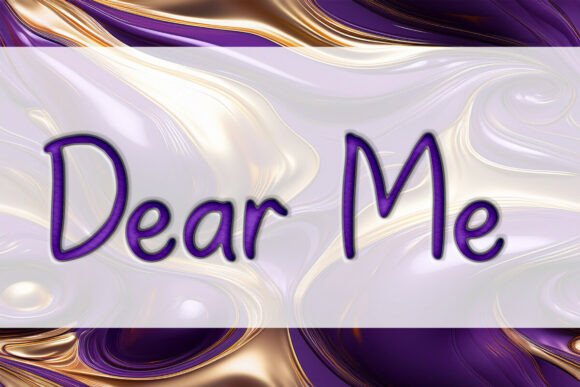
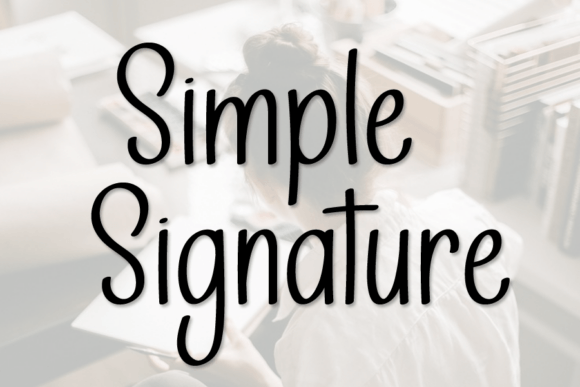
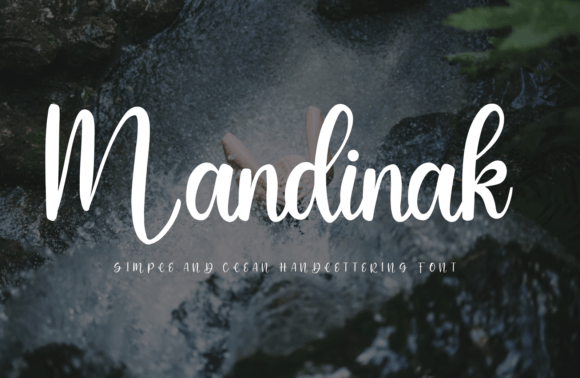
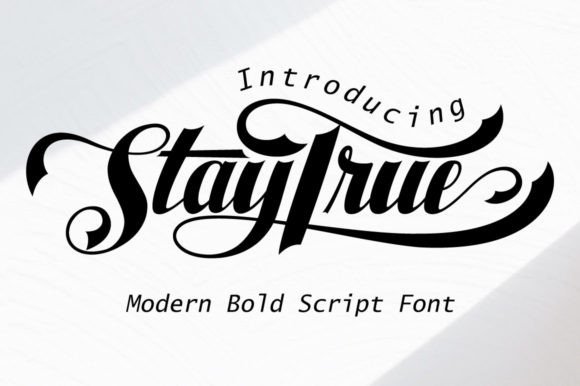
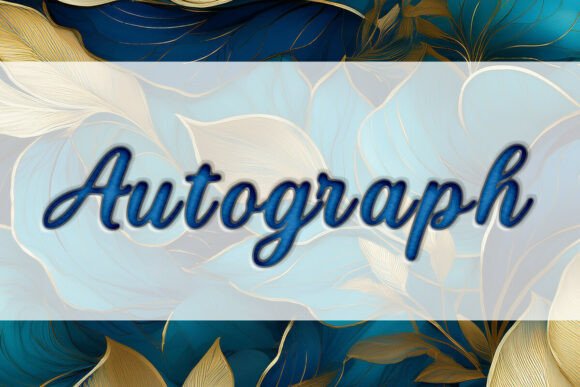
At first glance, Autograph is a stunning display font with a modern, hand-lettered aesthetic. Its carefully crafted letterforms feature subtle variations in stroke width, giving it a natural, organic feel that static fonts often lack. This visual personality makes it an ideal choice for projects where you want to convey authenticity, creativity, or a personal connection. Think of it as the typographic equivalent of a firm, friendly handshake.
What sets it apart from other script or handwritten fonts is its remarkable adaptability. It’s designed to be a workhorse, not just a decorative flourish. The font family often includes multiple styles—perhaps a regular weight, a bold option, and sometimes even stylistic alternates or ligatures. This range allows you to maintain visual consistency across different applications while adjusting for context. You can use the bolder weight for a striking headline on a poster and switch to the regular weight for elegant, readable text on an invitation.
Practical Applications: From Brand Board to Social Feed
The true test of any creative font is how it performs in the wild. Autograph excels across a spectrum of real-world design needs, solving common visual communication problems with style.
Building a Recognizable Brand
For small business owners and entrepreneurs, font choice is a cornerstone of brand identity. Autograph serves as a fantastic primary or secondary typeface for logos, especially for brands in the lifestyle, wellness, craft, or boutique retail spaces. It instantly communicates a handmade, artisanal quality. Imagine a bakery using it for its logo, or a yoga studio incorporating it into its marketing materials. The font becomes synonymous with the brand’s personality. It’s equally effective for packaging design, where it can make a product label feel special and considered, elevating the unboxing experience.
Elevating Digital and Print Presence
In the digital realm, Autograph is a powerhouse for social media graphics. Its high readability at various sizes makes it perfect for Instagram quotes, Facebook ad headlines, or Pinterest pins that need to stop a scroller in their tracks. When used in web design, it can add a touch of warmth to a header or a call-to-action, breaking the monotony of standard sans-serif fonts. For bloggers, it can style post titles or pull quotes, adding visual interest and reinforcing a personal voice.
Its utility extends beautifully to print. The font is a natural fit for creating attention-grabbing posters, elegant wedding invitations, or sophisticated editorial layouts in magazines and lookbooks. Its compatibility with SVG files is a particular boon for crafters and designers using tools like Cricut, allowing for crisp, clean cuts for t-shirts, stickers, and other merchandise. This makes it a favorite for anyone creating custom goods, as the lettering translates flawlessly from screen to physical product.
Using Autograph Effectively: A Designer’s Guide
Having a great tool is one thing; using it skillfully is another. To get the most out of the Autograph font, a few practical considerations will ensure your designs are both beautiful and effective.
Pairing for Balance and Hierarchy
The most successful designs use typography to create a clear visual hierarchy. Autograph, with its strong personality, works best when paired with a cleaner, more neutral font. A classic combination is to use Autograph for headlines and key phrases, and pair it with a simple sans-serif font like Montserrat, Lato, or Open Sans for body text. This contrast ensures readability while allowing the display font to shine. Avoid pairing it with another ornate script or a highly decorative serif font, as this can create visual clutter and make your message hard to decipher.
Mind the Context and Readability
While Autograph is designed for legibility, it’s still a script font at heart. It’s perfect for short bursts of text—logos, titles, captions, and callouts. For long paragraphs of body copy, always opt for a dedicated serif or sans-serif font designed for extended reading. Consider the medium as well. The font’s elegant curves are stunning on a high-resolution screen or a premium paper stock, but ensure it remains clear when printed on textured materials or viewed on small mobile devices. Always test your designs at the intended output size.
Understanding Your License
Before finalizing any project, especially a commercial one, it’s crucial to review the font’s licensing terms. Most premium fonts, like Autograph, come with a license that specifies whether it can be used for personal projects, commercial work, or both. If you’re a designer creating assets for a client, a small business owner printing merchandise, or a content creator monetizing your channel, you need to ensure your license covers that use. This due diligence protects you and respects the work of the typeface designer.
Ultimately, a typeface like Autograph is more than just a set of letters. It’s a design asset that injects humanity and warmth into digital communication. It helps brands tell a more personal story, allows crafters to produce professional-quality goods, and gives every creator a tool to make their work feel distinctively theirs. In a world saturated with generic visuals, having a signature touch can make all the difference.